Table of Contents
Introduction
Safety animation is no longer just a “nice-to-have” training format. Across manufacturing, construction, oil and gas, chemical, pharma, logistics, and utilities, safety animation videos are becoming a strategic EHS investment that supports better training, stronger safety culture, and more reliable compliance. For organizations that want to move beyond slide decks and text-heavy SOPs, safety animation offers a practical way to explain hazards and procedures at scale.
From compliance checkbox to learning that sticks
Many safety programs were built around compliance checklists: policies, SOPs, toolbox talks, inductions, and audit documentation. On paper, everything looked complete, but workers often struggled to visualize what unsafe behavior looks like or how a hazard develops in real time.
Safety animation changes that by:
- Turning static rules into dynamic scenarios workers can see.
- Showing the difference between safe and unsafe actions.
- Making invisible hazards (energy sources, contamination paths, pinch points) visible and memorable.
- Allowing organizations to standardize safety training across sites and roles.
That is why animated safety videos are increasingly described as a “strategic EHS investment” and not just another content format.
Why visual learning wins in EHS
Visual learning is consistently shown to improve retention and understanding compared with text-only formats. In safety contexts, this matters because:
- Workers need to recognize hazards quickly.
- They must remember procedures under pressure.
- Mixed literacy and multilingual teams require intuitive communication.
- Safety information competes with production pressures and daily distractions.
Animated safety videos combine visuals, narration, and on-screen text to make safety concepts easier to grasp and harder to forget, which improves recall of critical steps like isolation, PPE use, and emergency actions.
Where safety animation fits in the EHS strategy
Safety animation is not a replacement for all other EHS tools, but it plays a central role in several key areas.
Induction and onboarding
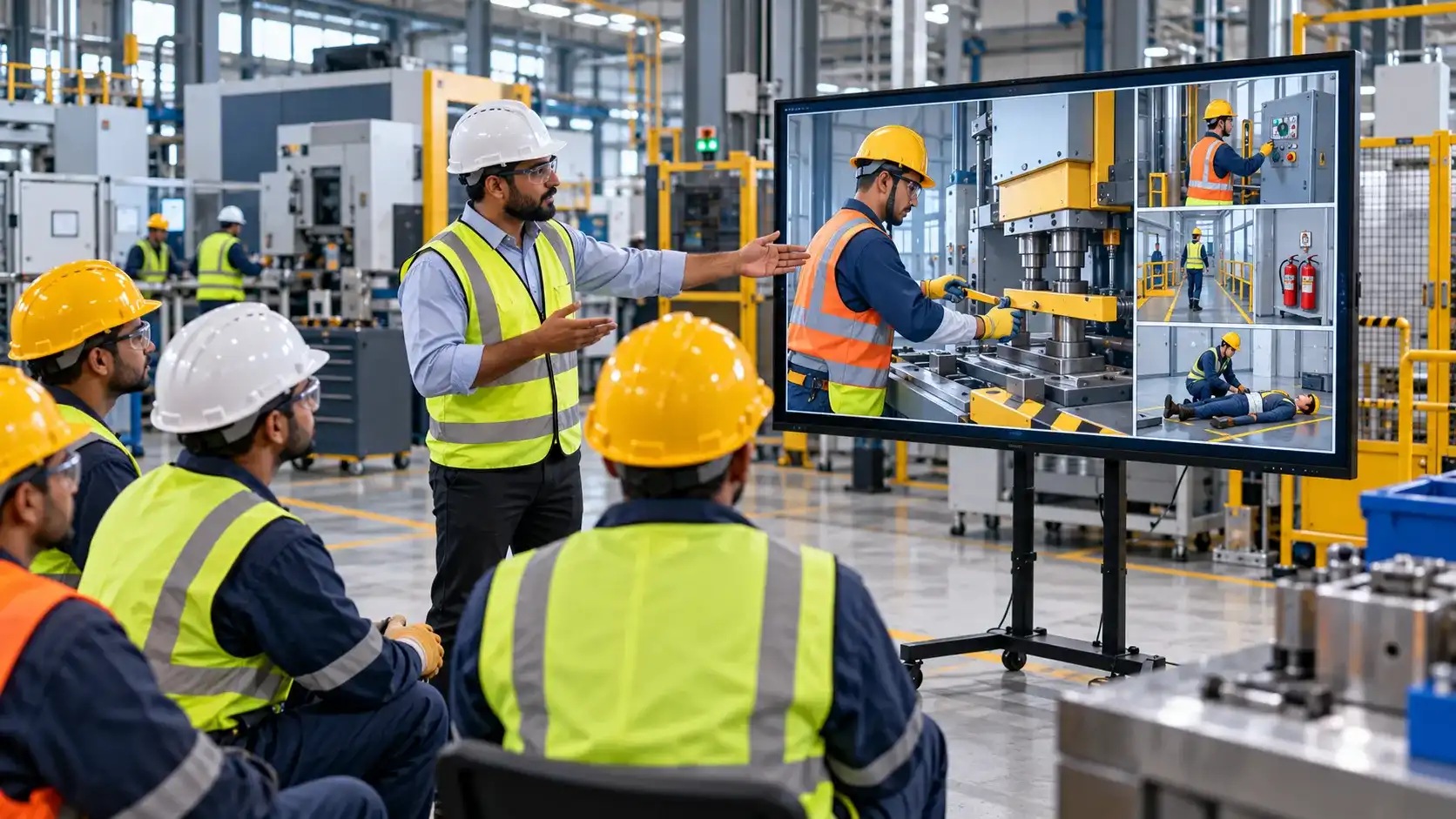
Animated safety induction videos help new employees, contractors, and visitors understand site rules and hazards quickly, without overwhelming them with written policies. They can cover entry rules, PPE, restricted zones, emergency alarms, muster points, and reporting expectations in a short, visual briefing.
SOP and process training
Animated SOP training videos and process animations turn complex procedures into step-by-step visual stories, making it easier for workers to follow and remember operational sequences. This is particularly useful for multi-stage processes, machine operation, cleaning, maintenance, and quality checks.
Incident learning and near-miss communication
Incident recreation animation shows how accidents or near misses unfolded, supporting root cause analysis and lessons-learned sessions without revisiting dangerous scenarios. Visual reconstruction can highlight unsafe acts, conditions, and system gaps, helping teams understand why an event happened and how to prevent it.
Hazard-focused microlearning
Short animated clips focused on specific hazards—such as confined spaces, working at height, machine guarding, slips and trips, hot work, or chemical handling—support refresher training, toolbox talks, and microlearning modules. They fit naturally into daily safety briefings and LMS-based micro courses.
HSE and ESG communication
Animation can convey broader themes like environmental responsibilities, sustainability, and safety culture to employees and stakeholders more effectively than static documents. It helps make HSE and ESG messages clear and engaging, supporting both compliance and reputation.
Benefits of safety animation for EHS teams
Higher retention and engagement
Case studies and training research show that learners retain more information from video-based content than from text-only or lecture-based training, especially when animation is used to visualize scenarios and consequences. This leads to:
- Better hazard recognition.
- More consistent adherence to procedures.
- Stronger recall of emergency actions.
Consistent, scalable training
Animated safety videos deliver the same message every time, across every site. This consistency is critical for high-risk industries where deviations in training can translate into inconsistent field behavior. With safety animation:
- Every worker sees the same scenario and guidance.
- Multi-site deployments can roll out standard content quickly.
- Updates can be applied centrally and redistributed.
Cost-effective over time
High-quality animation requires investment, but it is a reusable asset that can support induction, refresher training, and incident learning across multiple cycles. Compared with repeated instructor-led sessions and ad hoc briefings, animated videos often prove more cost-effective over the medium term.
Multilingual and inclusive communication
Animated characters, scenarios, and visual storytelling are easier to adapt for multiple languages and literacy levels. Voiceovers, subtitles, and text-light visuals make safety messages accessible to diverse workforces and contractor groups. This is particularly important for large projects and global operations.
How safety animation supports compliance and standards
Regulatory frameworks and standards emphasize training and awareness, but they do not prescribe how content must be delivered. OSHA’s training resources highlight employer responsibilities for safety training, and ISO 45001 emphasizes worker competence and awareness as central to occupational health and safety performance.
Safety animation supports these requirements by:
- Making training more effective and understandable for a wide audience.
- Providing auditable proof of training when delivered through LMS or documented sessions.
- Helping workers understand their responsibilities and the consequences of unsafe actions.
- Reinforcing key controls and procedures in a repeatable, engaging format.
As organizations face more scrutiny on ESG, EHS performance, and safety culture, investing in effective training media becomes part of broader risk and reputation management.
Safety animation within LMS and digital learning
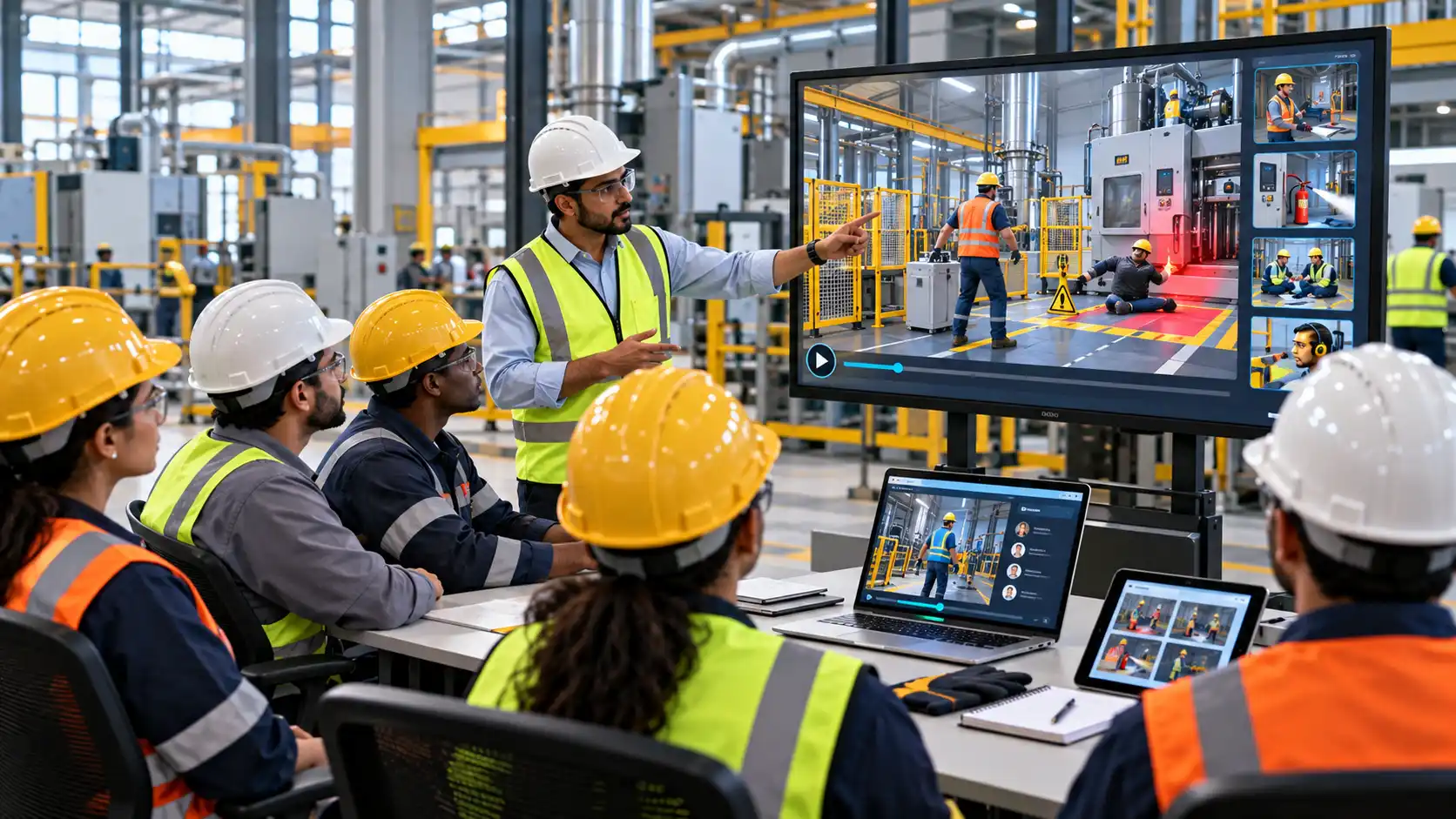
Animated safety videos fit naturally into digital learning ecosystems. Guides and case studies emphasize using animation as SCORM-compliant modules within LMS platforms, allowing tracking, quizzes, and structured learning paths.
Typical digital deployment patterns include:
- Embedding animated safety videos in eLearning courses.
- Pairing videos with short assessment quizzes.
- Assigning modules by role, department, or site.
- Using completion data for audits, compliance reporting, and performance analytics.
This integration turns safety animation into a measurable part of the training program rather than an untracked “nice-to-have.”
When to treat safety animation as a strategic investment
Safety animation becomes a strategic investment when:
- Incidents, near misses, or audit findings reveal gaps in worker understanding.
- Sites struggle to deliver consistent induction and training across contractors and visitors.
- Complex procedures are not being followed correctly despite documentation.
- Safety messages are not cutting through due to information overload or low engagement.
- The organization wants to modernize EHS communication as part of digital transformation and ESG commitments.
In these cases, animated safety videos can transform training outcomes by making content more accessible, repeatable, and aligned with how adults actually learn.
How Sanskriti Infotech fits into the safety animation landscape
Many vendors offer animation or safety software; fewer specialize in industrial safety animation with deep focus on training and procedural clarity. Sanskriti Infotech sits in that specialist segment.
As a safety animation provider, Sanskriti Infotech can help organizations:
- Design animated safety videos for induction, SOP training, incident recreation, and hazard awareness.
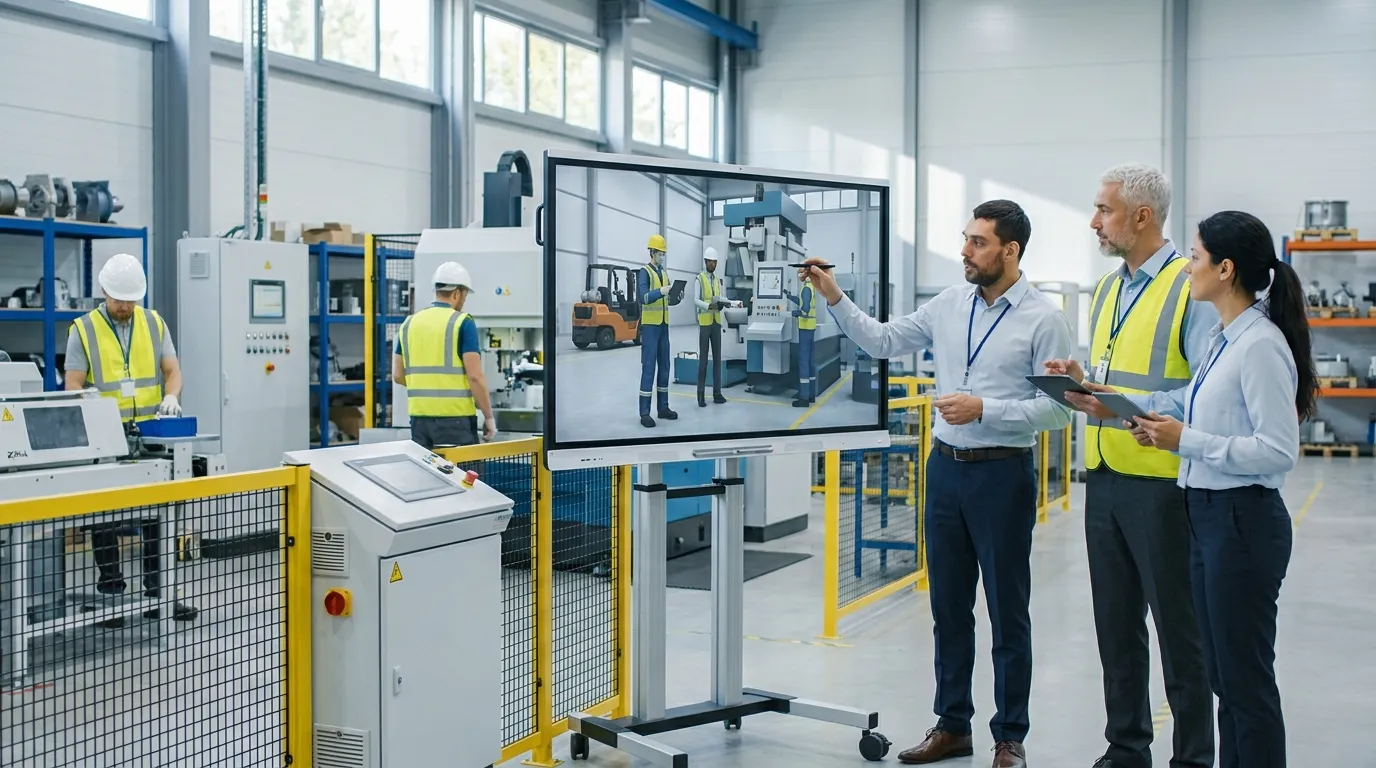
- Use 3D safety animation for machinery and plant visualization in manufacturing, chemical, oil and gas, and other high-risk industries.
- Tailor content for specific roles (operator, contractor, visitor, supervisor) and languages.
- Deliver LMS- and SCORM-ready assets for digital training programs.
- Align animated content with regulatory expectations and standards by focusing on hazard, control, and procedure clarity.
For safety teams exploring safety animation as a strategic investment, partnering with a specialist provider makes it easier to turn theory into effective training assets.
Practical steps to start with safety animation
Organizations considering safety animation can follow a simple roadmap:
1. Identify high-impact topics
Start with induction, major hazards (LOTO, confined space, working at height), and recurring incident themes.
2. Gather source materials
Assemble SOPs, JSAs, incident reports, risk assessments, plant layouts, and existing training documents.
3. Define audiences and languages
Clarify who needs the content (employees, contractors, visitors) and which languages are required.
4. Set deployment channels
Decide how content will be used (LMS, induction room screens, toolbox talks, team briefings).
5. Partner with a safety animation provider
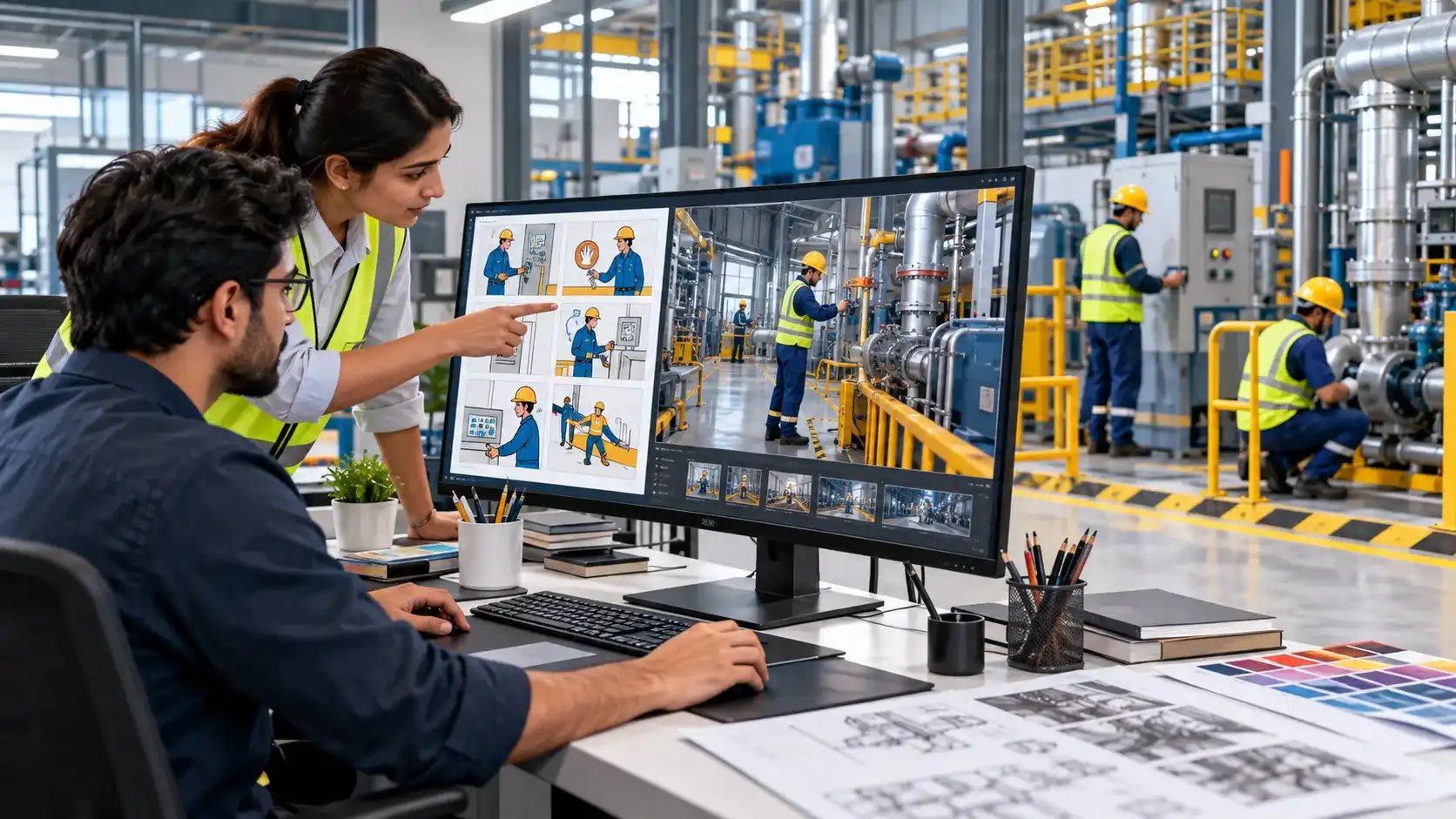
Work with a specialist to develop scripts, storyboards, and final animations that respect technical detail and training goals.
6. Measure impact and iterate
Use LMS data, quizzes, observation, and incident trends to evaluate effectiveness, then refine content as needed.
This approach ensures safety animation is implemented as part of a broader EHS strategy rather than a one-off video project.
Ready to enhance workplace safety with engaging visuals? Contact us