Table of Contents
Introduction
Turn Complex Hazards, Procedures and Site Rules into Clear Visual Learning
Complex safety information needs more than attractive visuals. It needs a clear explanation of the hazard, the people exposed, the controls required and the actions workers must take.
Sanskriti Infotech’s safety animation services focus on translating technical information into visual training for employees, contractors and visitors. Whether your project involves site induction, an equipment procedure or incident learning, the starting point is the same: what should the learner understand and do differently?
Discuss your requirements for 2D and 3D safety animation, site-specific induction videos, SOP explainers and scenario-based EHS training.
Request a project discussion: [email protected]
Call / WhatsApp: +91-9660377250
Safety Animation Built Around Your Workplace
A useful safety training brief starts with your working environment—not a generic list of hazards.
Your equipment, access routes, work activities, terminology and approved procedures should shape the content. An operator learning an isolation sequence needs different information from a visitor entering the same facility.
For your Sanskriti Infotech project, define the training around:
- The audience and its responsibilities.
- The task, location or equipment being explained.
- Relevant hazards and potential consequences.
- Approved controls and safe working procedures.
- Decisions learners must make.
- Conditions that require stopping work or seeking assistance.
The objective is focused training that connects each safety message to a recognizable workplace situation.
Explore Safety Animation Services
3D Industrial Safety Animation
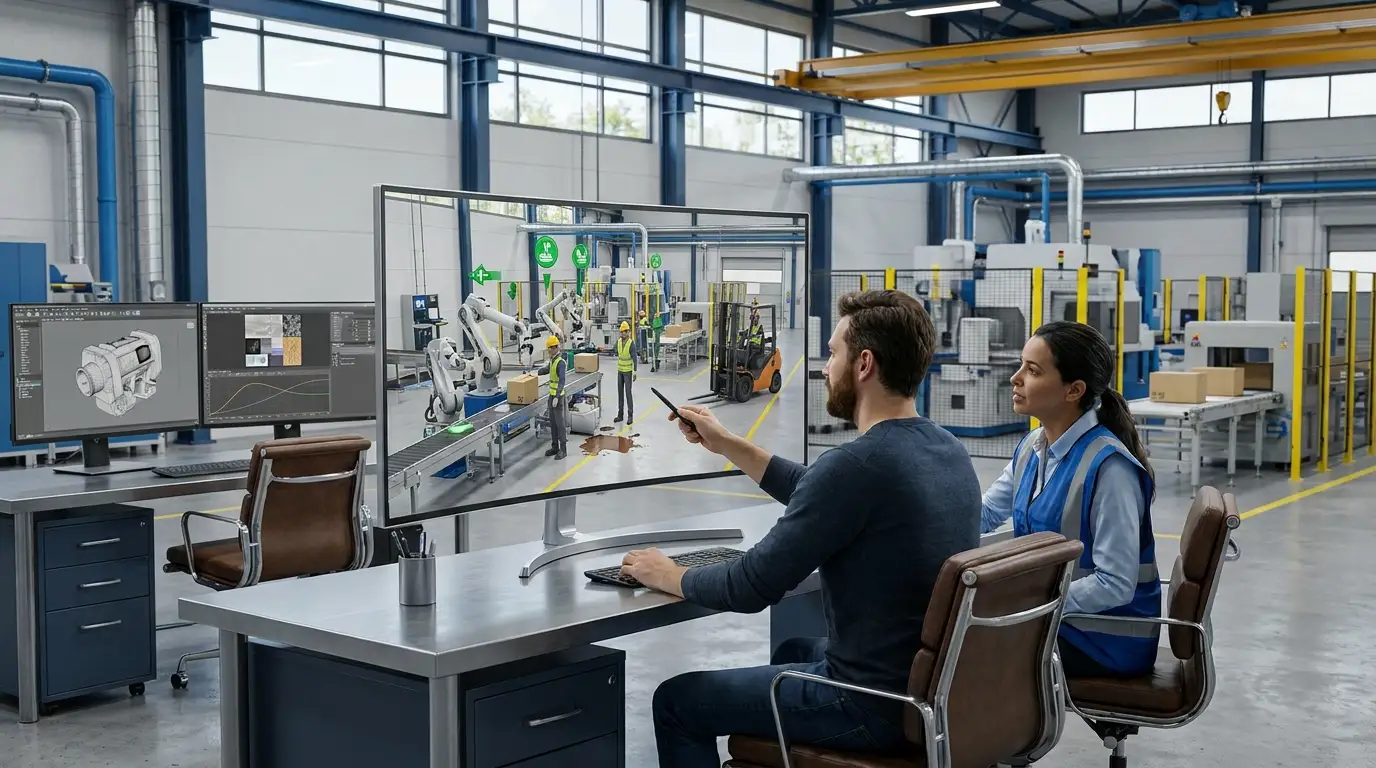
Use a 3D animation brief when the training needs to explain spatial relationships, equipment internals or a sequence that is difficult to capture with a camera.
Project topics can include:
- Machine operation and guarding.
- Equipment isolation and stored-energy hazards.
- Lifting operations and exclusion zones.
- Process flow and equipment cutaways.
- Maintenance access and equipment movement.
- Hazard escalation and emergency scenarios.
The animation should follow your approved technical information. Visual realism should support the explanation—not introduce equipment details or operating steps that have not been verified.
2D EHS Training Animation
For projects focused on rules, responsibilities and everyday decisions, consider a 2D animation approach.
Potential topics include:
- Hazard and near-miss reporting.
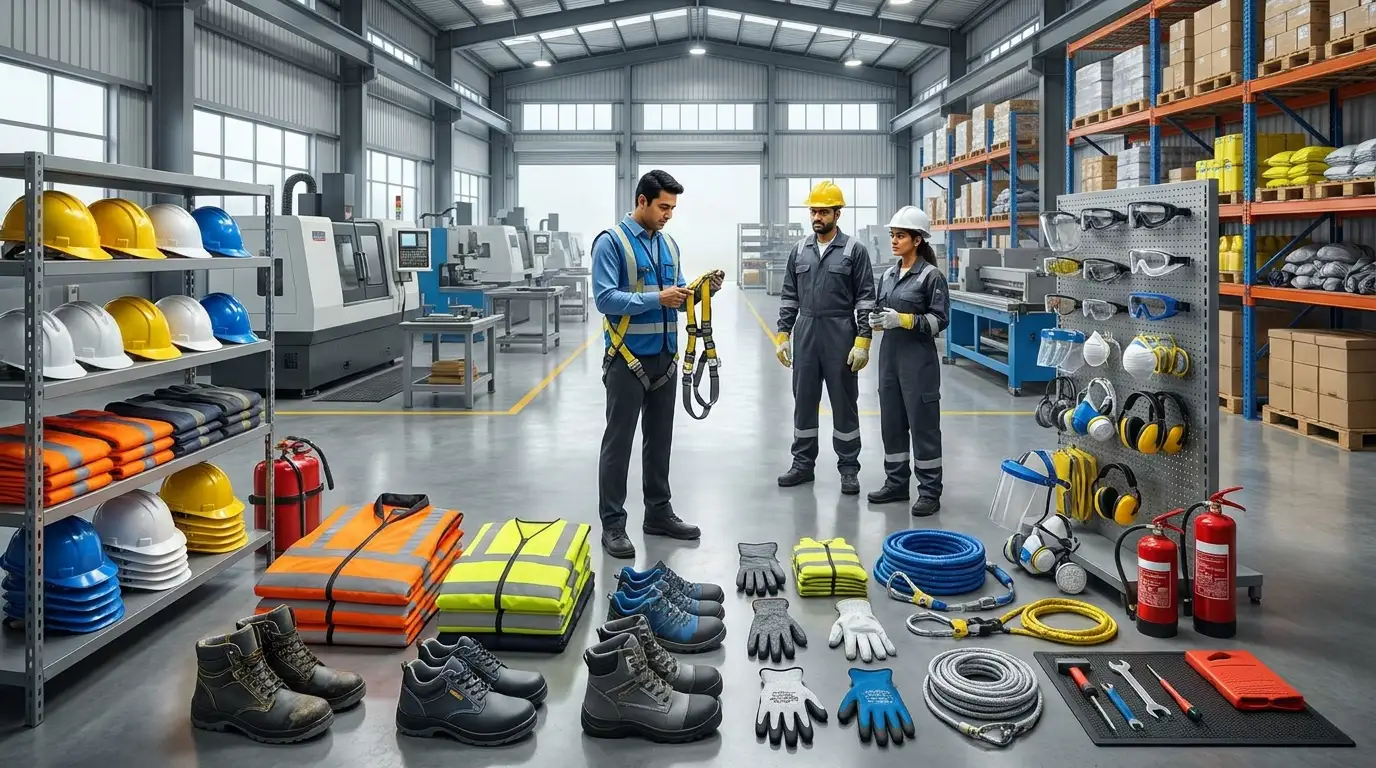
- PPE awareness.
- Housekeeping and pedestrian safety.
- Manual handling awareness.
- Environmental responsibilities.
- Occupational health awareness.
- Supervisor communication and safety campaigns.
Build each module around a clear learning objective rather than trying to cover an entire safety program in one video.
Custom Safety Induction Videos
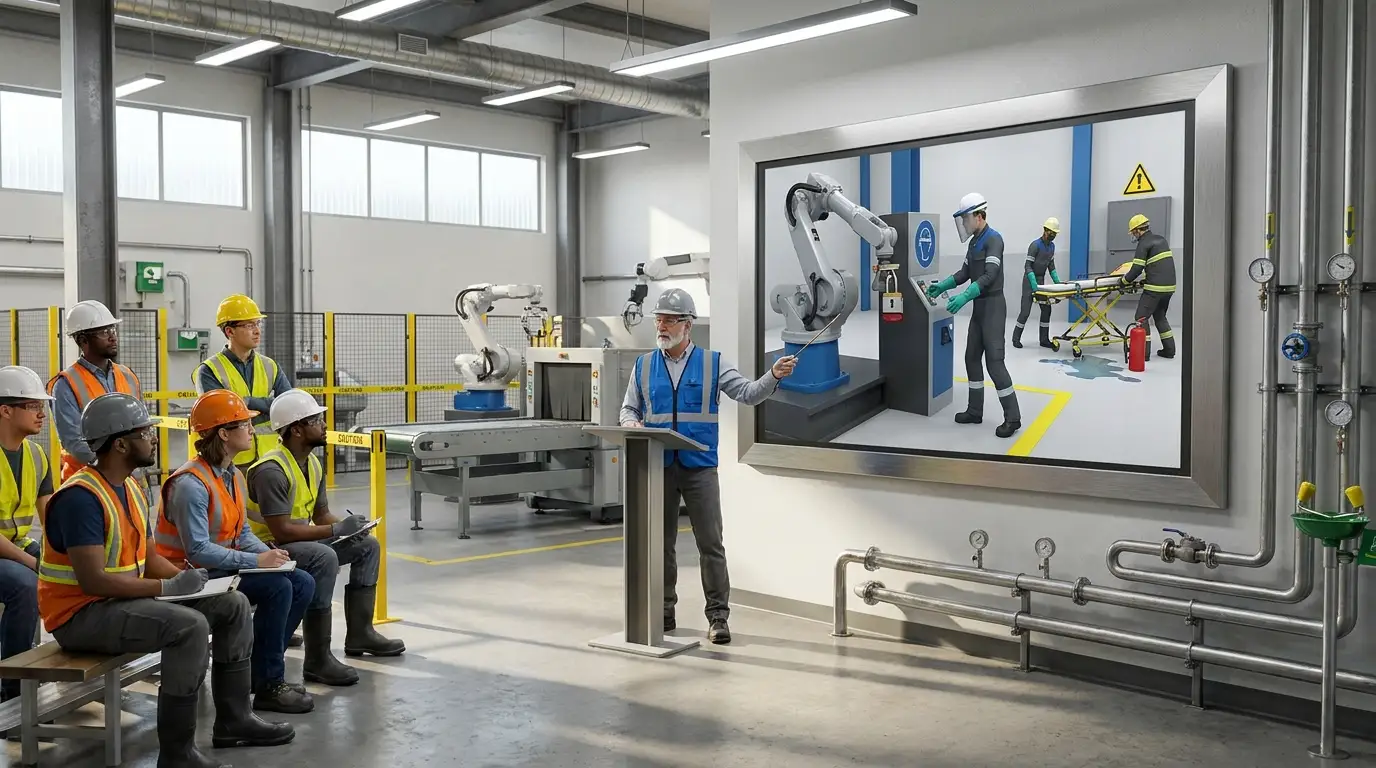
Introduce employees, contractors and visitors to the information relevant to their access and activities.
A custom safety induction video brief can cover:
- Entry requirements and security procedures.
- Site layout and restricted areas.
- Pedestrian routes and vehicle interaction.
- Area-specific PPE requirements.
- Reporting hazards, injuries and emergencies.
- Alarm recognition and evacuation arrangements.
- Assembly points and emergency contacts.
- Role-specific rules and responsibilities.
Separate audience versions can be scoped where visitor, contractor and employee requirements differ.
SOP and Procedure Animation
Turn an approved procedure into a structured visual explanation.
The project brief should identify:
- What must be checked before work begins.
- Who is authorized to perform the task.
- Which steps and controls are critical.
- Where a hold point or approval is required.
- What abnormal conditions require work to stop.
- How the task is completed and handed back.
Procedure animation should remain aligned with the current approved SOP and the site’s training requirements.
Incident Recreation Animation
Structure incident-learning content around the evidence available.
A responsible brief distinguishes established findings from assumptions and shows the sequence of events, contributing conditions, failed or missing controls, and approved corrective actions.
The purpose is learning—not dramatization or unsupported blame.
Interactive Safety Learning
If your project requires decision points, knowledge checks or branching scenarios, include these in the initial scope.
Specify what the learner should select, what feedback they should receive and whether results need to be recorded. Confirm platform compatibility, reporting requirements and delivery options before production begins.
Choosing Between Safety Animation Providers
Safety animation providers differ in their sector experience, production approach, regional coverage and visual style. When discussing your project with Sanskriti Infotech, use the following questions to define what a suitable solution must deliver.
| Selection area | What to establish |
|---|---|
| Relevant experience | Examples connected to your industry, equipment or training objective |
| Technical review | Who approves scripts, equipment details and safety-critical sequences |
| Customization | Which site details must be reproduced and which can be simplified |
| Visual approach | Whether 2D, 3D, filmed footage or a combination best fits the brief |
| Language requirements | How terminology, narration and on-screen instructions will be reviewed |
| Delivery | Required video formats, platform specifications and accessibility features |
| Future updates | How procedure changes, additional versions and revisions will be handled |
A visually impressive portfolio is only part of the assessment. Your project also needs a clear approval process and an agreed definition of technical accuracy.
A Clear Brief for Every Stage of Production
Before commissioning your safety animation, agree on the following review stages.
1. Learning Objectives and Scope
Define the audience, topic, intended use, languages, deliverables and exclusions.
2. Technical Reference Review
Identify the approved SOPs, risk assessments, drawings, photographs and other materials that will guide production. Agree on confidentiality requirements before sharing sensitive information.
3. Script and Storyboard Approval
Review the narration, terminology, sequence, warnings and proposed visuals before detailed animation begins.
4. Visual and Technical Review
Check equipment, worker positioning, labels, control measures and task sequences with the appropriate EHS and operational reviewers.
5. Delivery and Version Control
Confirm final formats, approved versions, ownership arrangements and the process for future updates.
Plan Language and Delivery Requirements Early
For a multilingual project, list the required languages and identify who will approve technical translations. Include on-screen text, labels, subtitles and emergency instructions—not only the voiceover.
For digital learning, distinguish a standard video from an interactive learning package. If you need quizzes, completion tracking or learning-management-system integration, confirm those deliverables explicitly during scoping.
Safety animation should support your wider training program. Define where practical instruction, competency checks, supervision or other site requirements remain necessary.
Discuss Your Safety Animation Project
Bring your training challenge to Sanskriti Infotech with a focused starting brief:
- What needs to be explained?
- Who needs the training?
- Which approved procedures or reference materials are available?
- What site-specific details must appear?
- Which languages and delivery formats are required?
- Who will approve the technical content?
Start with one induction, procedure or priority hazard, or outline a wider series of EHS training modules.
Email: [email protected]
Call / WhatsApp: +91-9660377250
Ready to enhance workplace safety with engaging visuals? Contact us