Table of Contents
Introduction
VR safety animation hybrid training is rapidly redefining how organizations prepare their workforce for real-world risks. As industrial environments become more complex and regulatory expectations rise, traditional safety training methods are no longer sufficient. Blending virtual reality with safety animation creates immersive, scenario-driven learning that improves hazard awareness, response accuracy, and long-term retention.
This hybrid approach combines the clarity of animated safety visuals with the experiential power of VR, allowing workers to not only see risks but experience them safely. For industries focused on EHS excellence, this model represents the future of effective safety training. To align with global safety expectations, explore OSHA safety training and education.
Why Safety Training Needs a Hybrid VR and Animation Approach
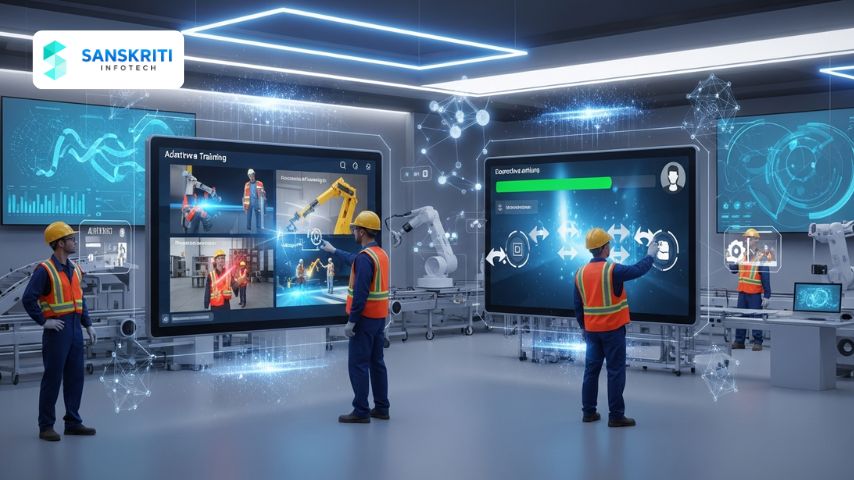
Conventional safety training methods such as classroom sessions, manuals, and static videos often fail to simulate the pressure and unpredictability of real incidents. Employees may understand procedures theoretically but struggle to apply them during emergencies.
A VR safety animation hybrid addresses these challenges by:
- Explaining hazards clearly through animation
- Allowing safe hands-on practice through VR simulations
- Reinforcing learning through repeatable scenarios
- Reducing training fatigue and improving engagement
This layered learning approach ensures both understanding and execution. For more structured safety training insights, see OSHA training resources.
Role of Safety Animation in Hybrid Training
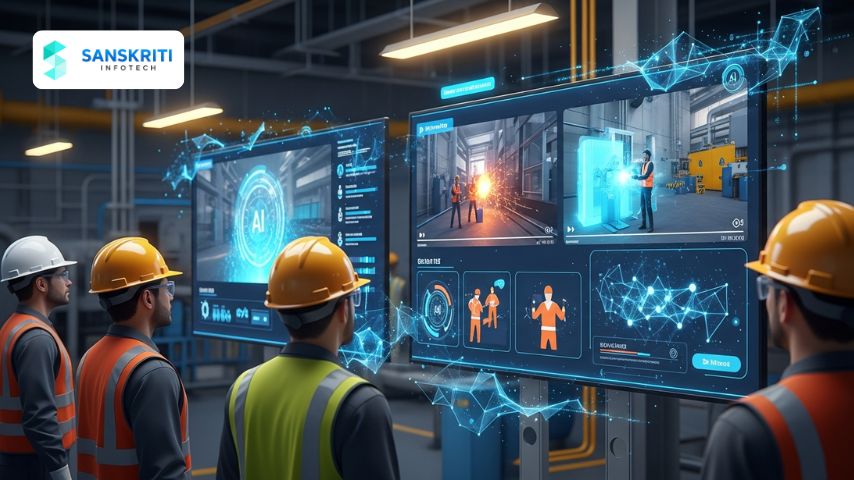
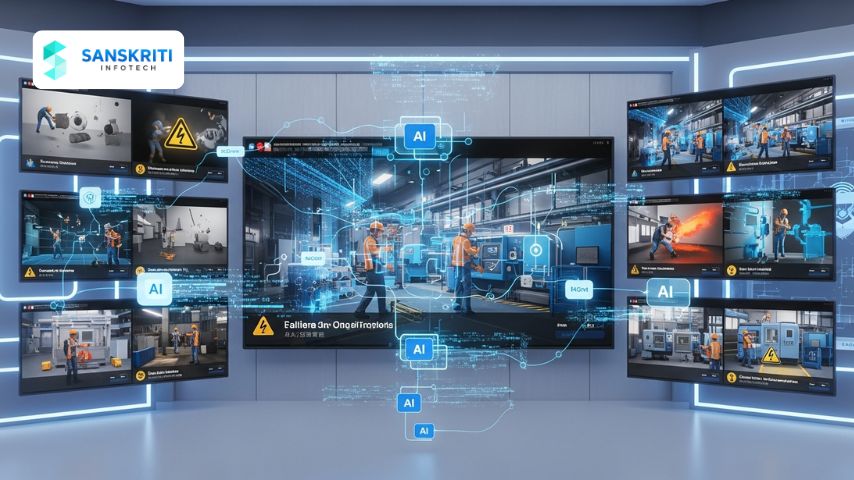
Safety animation plays a foundational role in hybrid training programs. It is used to introduce hazards, demonstrate correct procedures, and explain complex processes in a simple, visual manner.
Key benefits of safety animation include:
- Clear visualization of invisible or high-risk hazards
- SOP-based step-by-step explanations
- Standardized training for employees and contractors
- Easy localization and multilingual deployment
Animation ensures every learner starts with the same level of understanding before entering immersive VR training. Learn how digital technologies support safety at work via the ILO’s occupational safety and health resources.
How Virtual Reality Enhances Safety Training
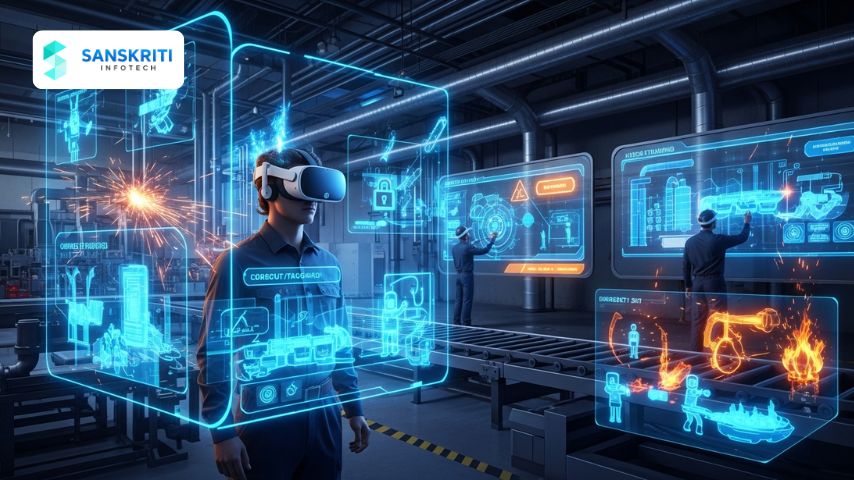
Virtual reality transforms passive learning into active experience. In a controlled VR environment, workers can navigate hazardous zones, identify risks, and make decisions without real-world consequences.
VR training enables:
- Realistic emergency simulations
- Muscle memory development for critical actions
- Immediate feedback on decisions
- Safe repetition of dangerous scenarios
When combined with animation, VR becomes more structured, intuitive, and effective. For broader trends on VR in workforce training, see the World Economic Forum’s virtual reality insights.
Key Use Cases for VR Safety Animation Hybrid Training
Industries are adopting hybrid safety training across multiple applications:
- Safety induction for employees and contractors
- High-risk task training such as confined spaces and working at heights
- Emergency response and evacuation drills
- Hazard identification and risk assessment
- Equipment and machinery safety training
These use cases demonstrate how hybrid training bridges the gap between knowledge and action.
Industries Benefiting from VR and Safety Animation
The VR safety animation hybrid model is particularly valuable for high-risk and compliance-driven industries.
Industries seeing the strongest impact include:
- Oil and gas
- Chemical and petrochemical plants
- Construction and infrastructure
- Power and energy
- Manufacturing and logistics
For organizations with large or geographically distributed teams, hybrid training ensures consistency and scalability across all sites.
Real Impact Example: Sanskriti Infotech
Sanskriti Infotech has supported organizations in deploying VR safety animation hybrid training programs that significantly improved engagement and preparedness. Clients reported higher participation rates, better hazard recall, and increased confidence among workers during mock drills.
The hybrid approach also helped organizations modernize their safety culture while meeting audit and compliance requirements, supported by robust 3D animation services for safety and training.
Why Choose Sanskriti Infotech for Hybrid Safety Training
Sanskriti Infotech delivers end-to-end VR and safety animation solutions tailored to industrial environments.
Key differentiators include:
- Industrial-grade 3D animation and VR realism
- SOP-aligned, site-specific scenarios
- Modular training design for induction and refresher programs
- Multi-language and device-compatible delivery
- Scalable deployment across multiple locations
Our focus is not just technology, but measurable safety outcomes and long-term culture change.
The Future of EHS Training Is Immersive
As organizations move toward digital transformation, immersive EHS training will become a standard rather than an exception. The VR safety animation hybrid model offers the ideal balance between clarity, realism, and scalability.
Companies that adopt this approach today will build a safer, more prepared workforce for the challenges of tomorrow. For additional process safety training insights, explore AIChE CCPS process safety resources.
Ready to implement VR safety animation hybrid training for your sites? Contact Sanskriti Infotech to design immersive, high-impact safety training tailored to your industry.