Table of Contents
Introduction
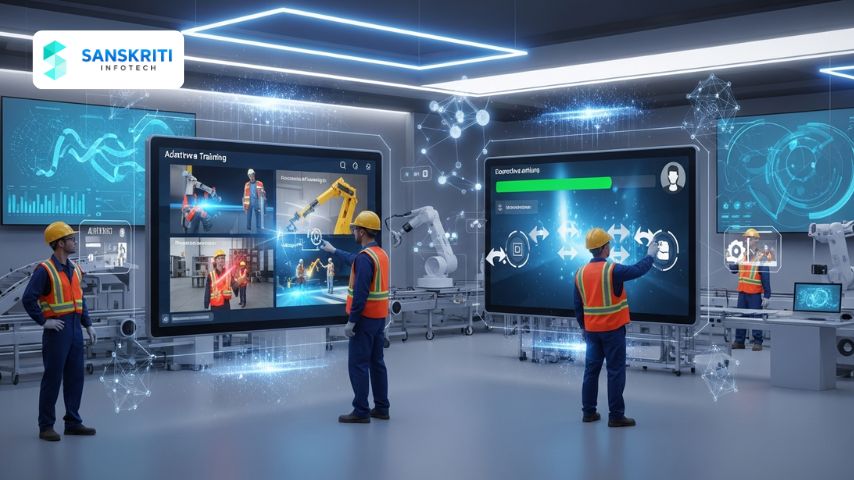
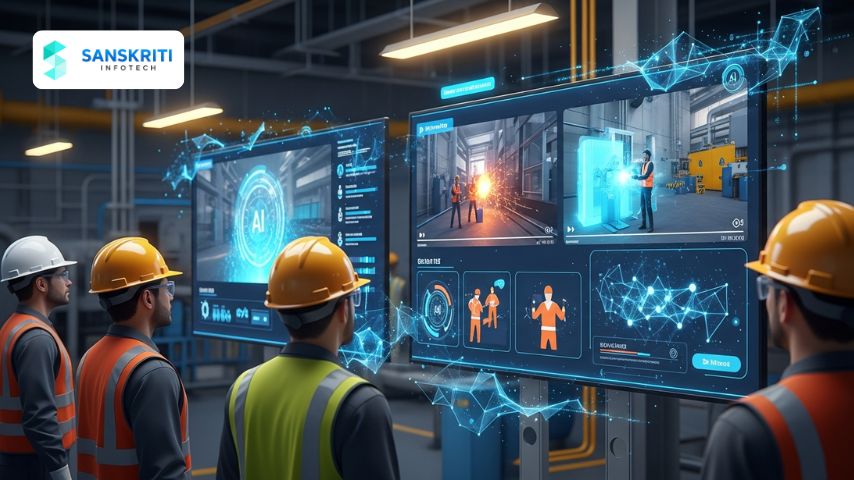
Animated safety training has become one of the most transformative tools for EHS, HSE, L&D, and operations teams across industries. From oil and gas platforms to construction sites, pharma plants, warehouses, manufacturing lines, and service-sector environments, organizations are replacing outdated slideshows and lengthy manuals with rich animated modules that clarify complex risks, improve retention, and support compliance. This 2026 Edition Ultimate Guide explains everything decision-makers must know about animated safety training, how it works, its advantages, types of animations, ROI metrics, implementation strategies, and why companies worldwide are shifting to this medium.
What Is Animated Safety Training?
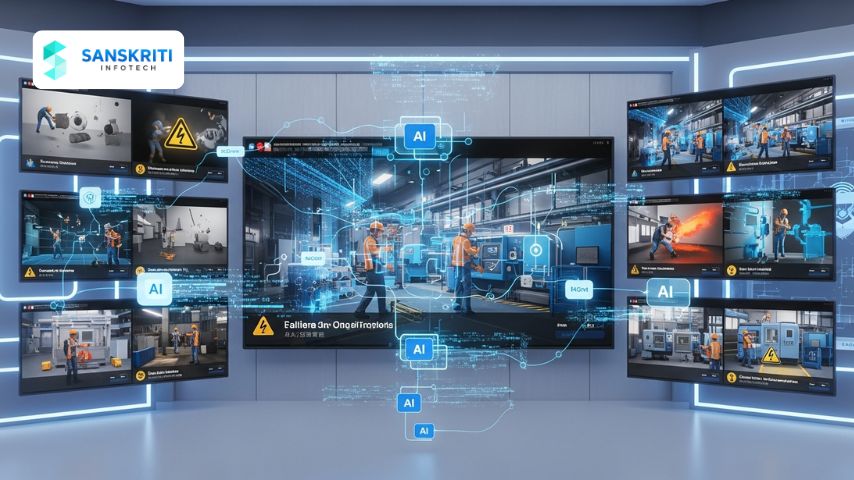
Animated safety training uses 2D, 3D, motion graphics, and simulation-based visuals to explain hazards, SOPs, incident response steps, and compliance procedures. Instead of reading theoretical instructions, workers watch real-world scenarios that demonstrate safe and unsafe actions. This improves clarity, reduces misinterpretation, and makes training far more engaging. Discover our 3D animation services for safety training.
Why Animation Has Become the Global Standard for Safety Training
- Visual learning improves retention and comprehension across all literacy levels
- Animation can show invisible hazards such as gas leaks, pressure build-up, energy release and contamination
- It standardizes training across multiple sites, shifts and languages
- It eliminates the risk of showing real accidents during training
- Faster onboarding for new employees and contractors
- Better compliance documentation during audits
- More cost-effective than repeated instructor-led sessions. See OSHA Training Requirements.
Types of Animated Safety Training
- 3D Hazard Simulations showing equipment, machinery, and high-risk tasks
- Animated SOP Videos for process industries
- Safety Induction Videos for employees, contractors, and visitors
- Incident Recreation and Root Cause Analysis Animations
- PTW, LOTO, Confined Space, Working at Height training
- Emergency Evacuation and Fire Safety Animation
- Animated PPE Awareness Campaigns
- VR-ready Animated Simulations for immersive learning
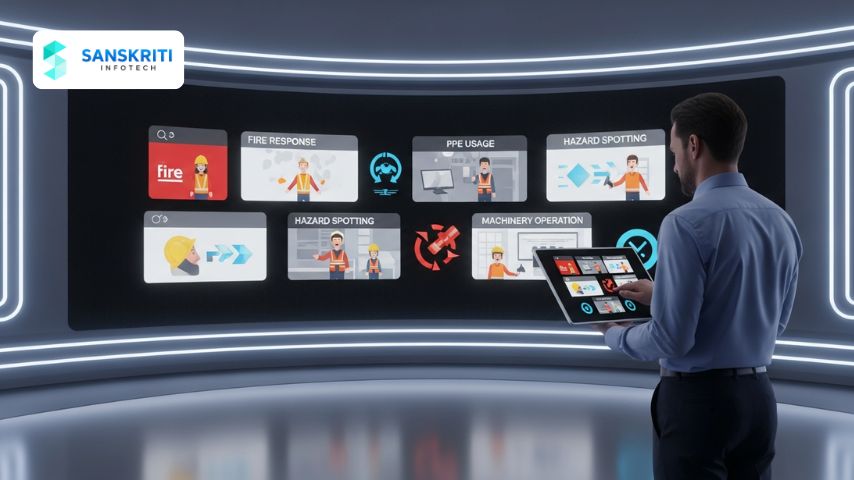
- Microlearning safety clips for daily toolbox talks
Industry Applications of Animated Safety Training
- Oil and Gas: drilling hazards, rig operations, well control training
- Manufacturing: machine guarding, SOPs, chemical handling
- Construction: fall prevention, crane safety, scaffolding
- Pharmaceuticals: cleanroom SOPs, gowning, contamination control
- Warehousing: forklift training, pedestrian zones, material handling
- Mining: blasting, underground ventilation, heavy equipment hazards
- Food Processing: hygiene protocols, equipment safety, cold storage training
- Utilities: electrical safety, line work, high-voltage procedures
Explore workplace safety research at NIOSH.
Benefits of Animated Safety Training Across Organizations
- Improves safety culture by making training more interactive and relatable
- Reduces human error through scenario-based reinforcement
- Decreases operational downtime caused by incidents
- Ensures repeatability without additional instructor cost
- Supports multilingual and multicultural workforce training
- Modernizes learning programs for digital transformation goals
- Boosts pre-job readiness for high-risk tasks
How Animated Safety Training Is Produced
- Requirement and hazard analysis with EHS experts
- Scriptwriting and scenario design based on SOPs
- Storyboard development for visual clarity
- 3D modeling of workplace layouts, equipment and machinery
- Animation of hazards, procedures, and safe practices
- Voiceover, subtitles and multilingual localization
- Final QA review with EHS leads
Best Practices for Implementing Animated Safety Training
- Integrate animations with LMS and e-learning platforms
- Use short microlearning clips to reinforce critical steps
- Update modules annually to reflect changes in SOPs
- Include realistic workplace visuals to improve relevance
- Use multilingual versions for global teams
- Track completion, quiz scores, and behaviour changes
- Include real incident scenarios to enhance seriousness
How Animated Training Supports Compliance
Standardizes EHS messaging across regions. Improves audit readiness with documented evidence of training. Aligns with ISO Safety Standards, NFPA, GMP, API, and other global standards. Reduces variability in instructor-led training. Ensures new hires are immediately aware of major hazards. See training guidelines at HSE UK Safety Training.
ROI of Animated Safety Training
- Lower incident rates and fewer lost-time injuries
- Reduced onboarding duration by up to 40 percent
- Cost savings on repeated classroom training
- Fewer equipment damages due to operator errors
- Improved retention leading to reduced refresher frequency
Sanskriti Infotech: Your Animated Safety Training Partner
Sanskriti Infotech develops high-performance animated safety training modules used across global industries. Our solutions combine engineering accuracy, high-quality visuals, and industry-specific compliance requirements. Organizations in the USA, Europe, Africa, the Middle East, and Asia trust Sanskriti Infotech for scalable and modern digital safety learning. Learn more about our process productivity improvement services.
Conclusion
Animated safety training represents the future of workplace safety education. From hazard recognition to compliance documentation, animation delivers unmatched clarity, engagement, and scalability. With Sanskriti Infotech as your partner, transform your safety programs into powerful learning experiences that protect workers and drive operational excellence.
To discuss custom animated safety training for your facility, reach us any time.