Table of Contents
Introduction
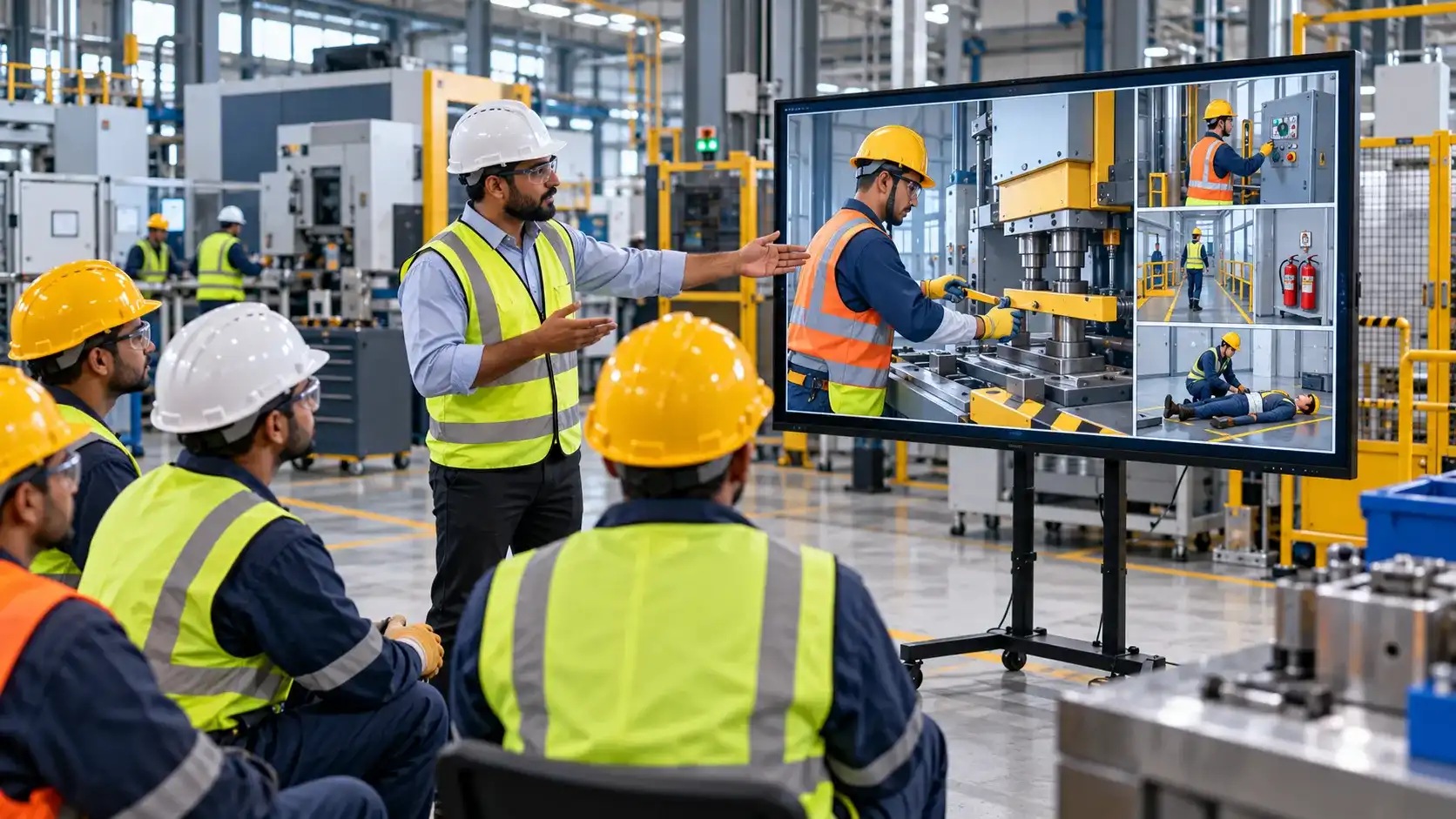
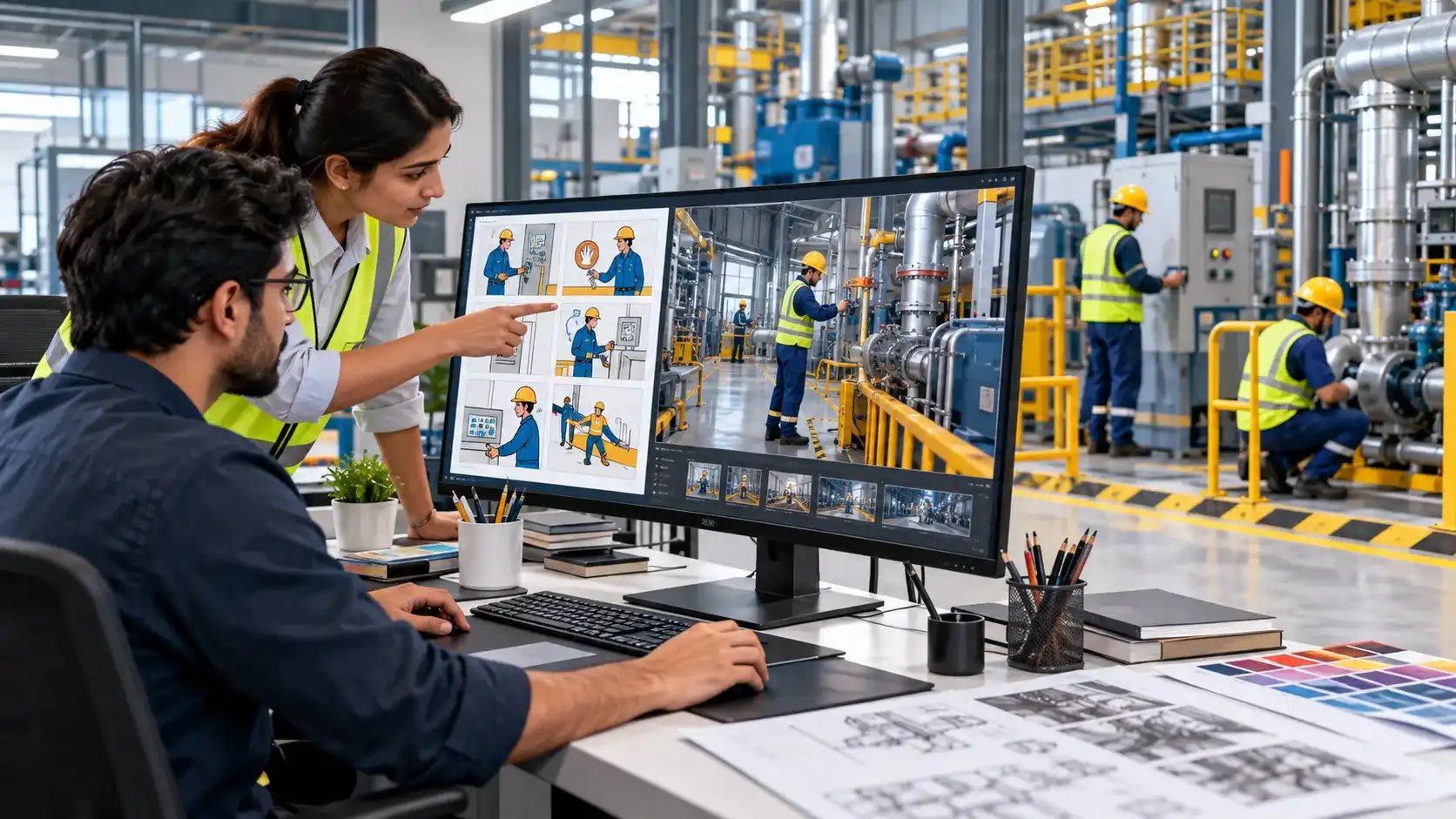
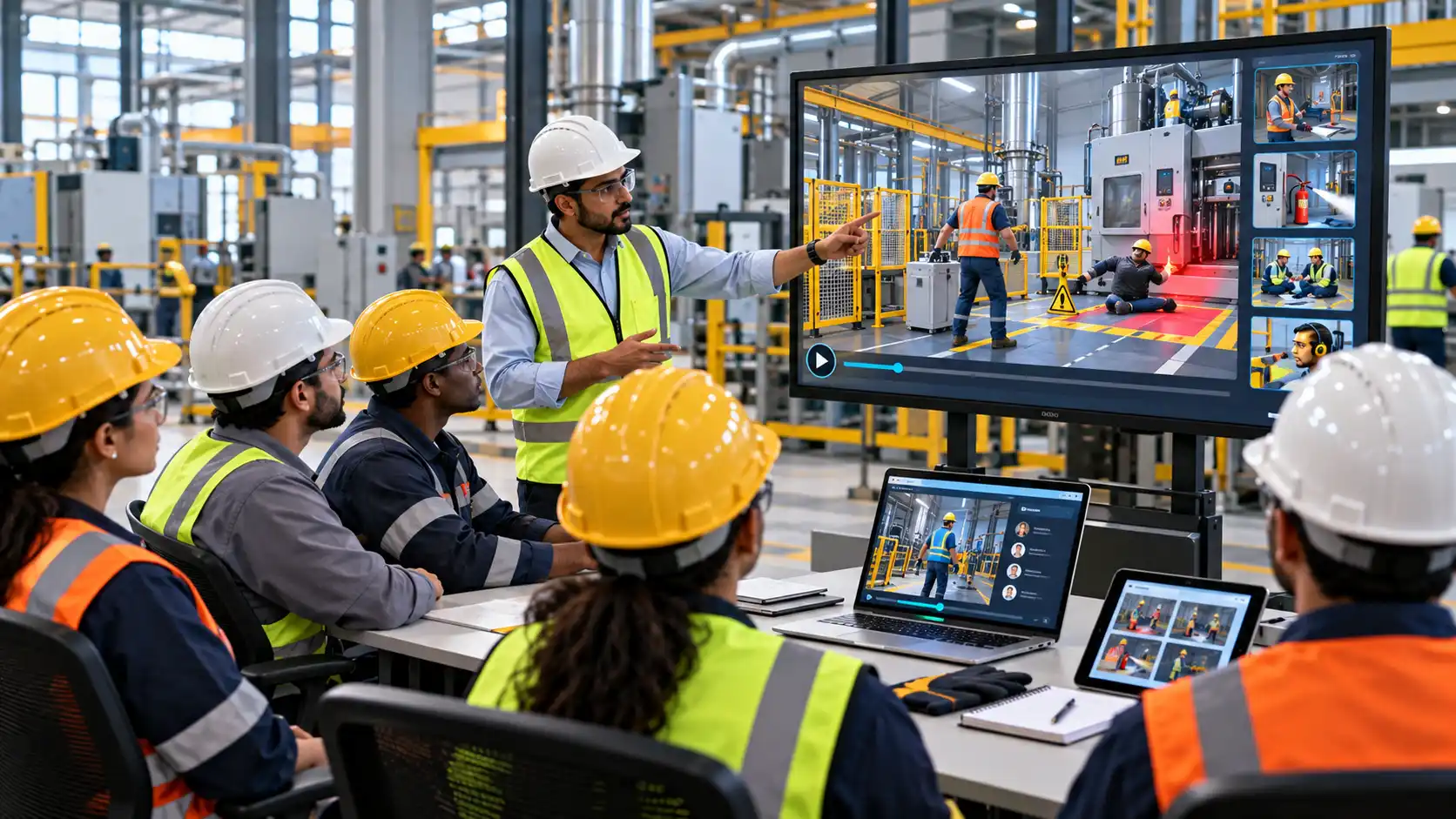
Safety training animation helps companies explain workplace hazards, procedures, and expected behavior in a clear visual format. For workforce training, it is one of the most effective ways to improve understanding, support consistency, and make safety messages easier to remember.
Companies use safety training animation because it can turn complex instructions into simple scenes that workers can follow quickly. It is especially useful for onboarding, refresher training, SOP communication, contractor induction, and safety awareness campaigns.
Why Safety Training Animation Matters
Traditional safety training often depends on long manuals, slides, or verbal explanation. That can work for some topics, but it is not always the best way to explain hazards or show the correct sequence of actions in a workplace.
Animation helps because it shows the situation instead of only describing it. Workers can see what a safe action looks like, what an unsafe action looks like, and what can happen if a step is skipped. This improves clarity and helps the message stick.
What It Can Cover
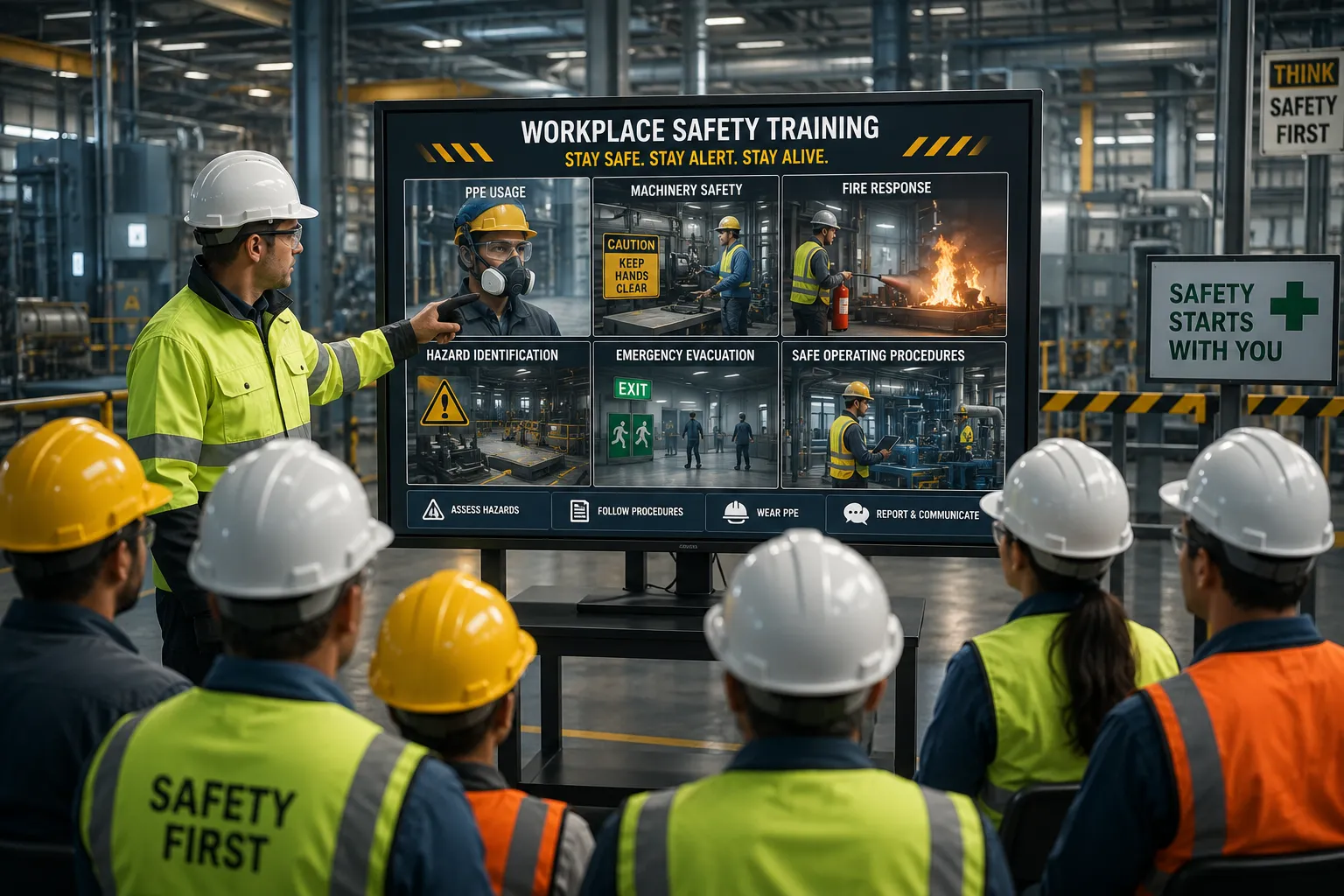
Safety training animation can be used for many workplace topics.
Typical areas include:
- General workplace safety.
- Machine safety.
- PPE awareness.
- Lockout and tagout.
- Fire and emergency response.
- Chemical handling.
- Working at height.
- Confined space safety.
- Forklift and vehicle safety.
- Contractor safety induction.
- Site entry and exit rules.
- SOP training.
- Incident learning.
For workforce training animation, the main value is flexibility. One format can support many training needs across departments, shifts, and locations.
Why It Works Better for Workforce Training
Workforces are often diverse. People may have different languages, job roles, education levels, and prior safety experience. Animation helps bridge those differences by giving everyone the same visual message.
It also improves consistency. A live trainer may explain the same rule in slightly different ways each time. An animation gives the company one approved version of the message, which is especially useful for large teams and multi-site operations.
Benefits for Companies
Safety training animation gives companies several practical advantages:
- Better understanding.
- Better retention.
- More consistent delivery.
- Easier reuse across teams.
- Stronger support for multilingual training.
- Better engagement than text-heavy materials.
- Easier integration into digital learning systems.
It can also save time over repeated live explanations. Once created, the same animation can be used for induction, refreshers, toolbox talks, and campaign training.
When Companies Should Use It
Safety training animation is especially useful when the topic is:
- Dangerous.
- Difficult to explain.
- Process-heavy.
- Visually complex.
- Repeated often.
- Needed across multiple sites.
It is a strong choice when companies want workforce training animation that can scale without losing clarity.
What a Good Animation Should Include
A strong safety training animation should be built around real training needs, not just visuals. It should have:
- Clear learning objective.
- Accurate workplace context.
- Simple and direct script.
- Realistic visuals.
- Safe and unsafe behavior examples.
- Voiceover or subtitles.
- A version that fits the training platform.
If the content is too generic, workers may watch it without connecting it to their actual job. The best animations are specific enough to feel relevant and simple enough to understand quickly.
Why Sanskriti Infotech Fits This Need
Sanskriti Infotech is well suited to this space because it focuses on industrial safety communication, 3D animation for training, workplace safety videos, and sector-specific safety content. That makes it a practical partner for companies that want workforce training animation designed for real operational use.
The advantage of working with a safety-focused animation provider is that the content is more likely to reflect actual workplace conditions, safety expectations, and training goals. That matters when the purpose is not entertainment, but safer behavior.
Comparison Table
| Area | Traditional Training | Safety Training Animation |
|---|---|---|
| Understanding | Moderate | Strong |
| Engagement | Variable | High |
| Consistency | Depends on trainer | Standardized |
| Reuse | Limited | High |
| Multilingual support | Harder | Easier |
| Suitability for complex topics | Moderate | Strong |
For companies building a long-term workforce training program, animation is often the more scalable option.
Ready to enhance workplace safety with engaging visuals? Contact us