Table of Contents
Introduction
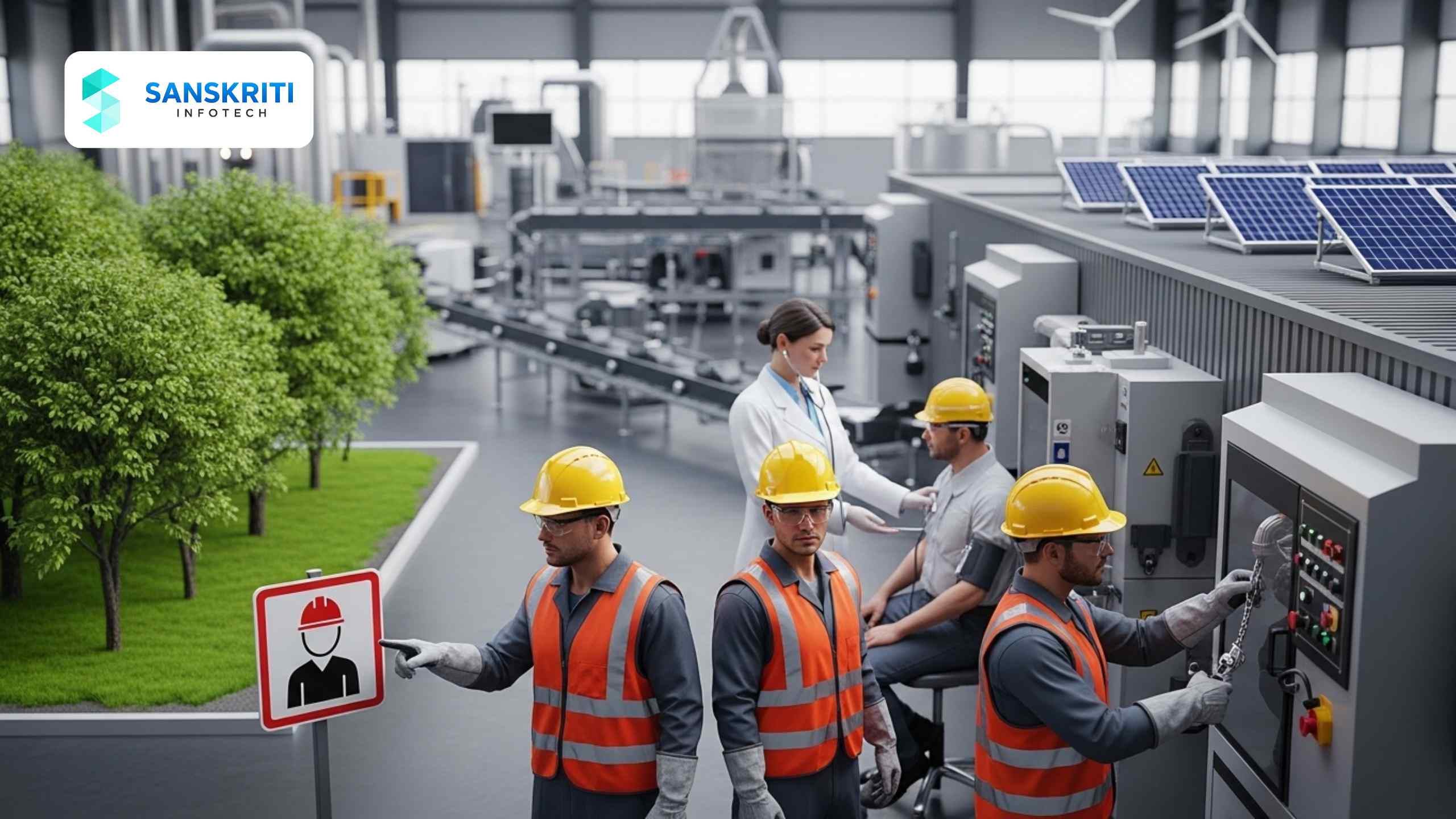
EHS (Environment, Health & Safety) is one of the most critical pillars of any successful organization. It ensures that businesses not only comply with legal standards but also protect their workforce, reduce risks, and contribute positively to environmental sustainability. Across industries such as manufacturing, oil and gas, construction, healthcare, and logistics, EHS is no longer seen as just a compliance requirement but as a strategic investment that builds long-term resilience and corporate responsibility.
What is EHS?
EHS stands for Environment, Health, and Safety. Each component plays a vital role:
- Environment: Eco-friendly practices, waste management, pollution reduction, and regulatory compliance.
- Health: Protecting employee well-being, managing occupational illnesses, and promoting mental and physical wellness.
- Safety: Preventing workplace accidents, enforcing safety standards, and preparing for emergencies.
EHS programs aim to create safe workplaces, minimize environmental impact, and promote healthier, more productive employees. Over the years, EHS has evolved into a core function of corporate governance, directly influencing ESG (Environmental, Social, and Governance) performance.
Why EHS Matters for Businesses
Organizations that prioritize EHS enjoy multiple benefits, including:
- Legal compliance: Meeting standards from OSHA, HSE UK, and other regulators.
- Accident prevention: Reducing injuries, fatalities, and downtime.
- Employee morale: A safer workplace improves trust and motivation.
- Reputation: Strong EHS programs enhance brand credibility and attract investors.
- ESG alignment: Contributing to sustainable development and corporate responsibility.
According to OSHA, companies with robust EHS frameworks experience fewer workplace accidents and significantly lower costs related to compensation and lost productivity.
Core Components of an EHS Program
An effective EHS program should integrate:
- Risk assessment and hazard identification.
- Emergency preparedness and response protocols.
- Environmental sustainability initiatives.
- Worker health and wellness programs.
- Comprehensive safety induction and training for employees, contractors, and visitors.
By covering these aspects, organizations ensure compliance while also creating a proactive culture of safety and responsibility.
Find core EHS elements at HSE UK.
Challenges in Implementing EHS
Despite its importance, many businesses face challenges in implementing EHS programs:
- Lack of awareness among employees and management.
- High costs associated with traditional training methods.
- Low engagement in safety sessions, leading to poor retention.
- Difficulties in training diverse and multilingual workforces.
These barriers often prevent EHS programs from achieving their full potential. This is where digital tools and innovative methods such as 3D animation make a difference.
Learn more from the National Safety Council.
The Role of 3D Animation & Digital Tools in EHS
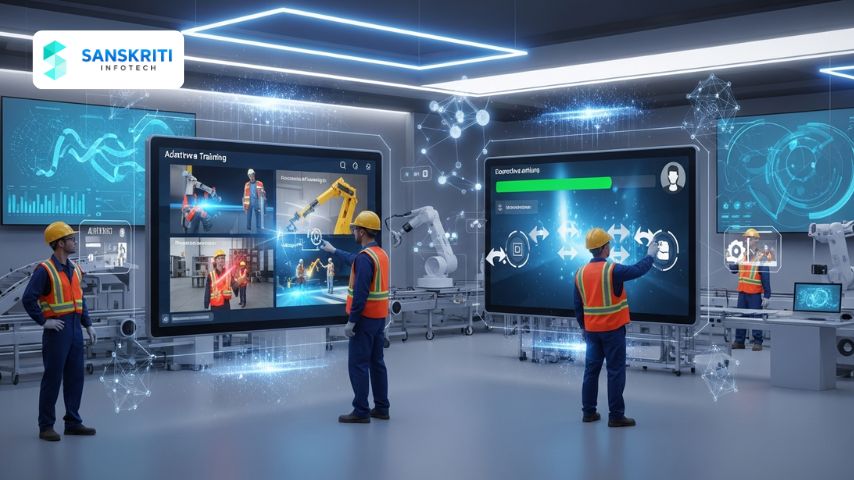
3D animation and immersive digital solutions are revolutionizing the way EHS training is delivered. With these technologies, companies can:
- Visualize complex safety procedures with clarity.
- Provide realistic simulations of hazardous situations without exposing employees to risks.
- Standardize training across global locations.
- Deliver multilingual modules for diverse workforces.
- Track and monitor progress through Learning Management Systems (LMS).
Sanskriti Infotech is at the forefront of offering custom 3D animated EHS training modules, tailored for industries such as oil & gas, construction, and manufacturing.
EHS Across Industries
EHS requirements vary by industry, and training must be adapted accordingly:
- Oil & Gas: Hazardous material handling, confined spaces, and fire safety.
- Construction: Site induction, scaffolding, fall prevention, and PPE use.
- Manufacturing: Machine safety, SOP adherence, and electrical safety.
- Healthcare: Infection control, patient handling, and biohazard safety. Explore best practices from the World Health Organization.
- Logistics: Forklift safety, warehouse protocols, and driver safety training.
Customizing EHS training ensures relevance, better retention, and higher compliance levels.
Case Study: How EHS Training Improved Safety Performance
A leading oil & gas company in the Middle East partnered with Sanskriti Infotech to upgrade its EHS training. The adoption of 3D animated modules and VR simulations resulted in:
- 50% faster training completion rates.
- 35% reduction in reported incidents within one year.
- Higher engagement levels among multilingual teams.
This example highlights how digital EHS solutions can deliver measurable improvements in workplace safety and compliance.
The Future of EHS Management
The future of EHS will be shaped by emerging technologies such as:
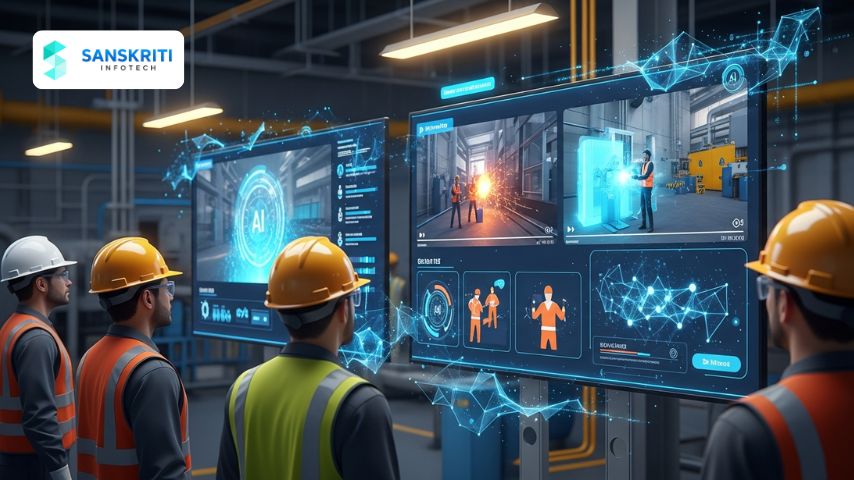
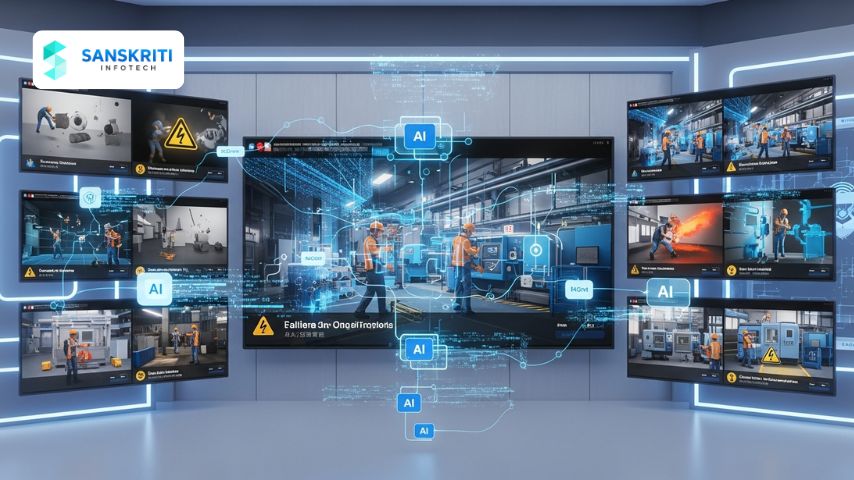
- Artificial Intelligence (AI) for predictive safety analytics.
- Internet of Things (IoT) for real-time monitoring of workplace hazards.
- Digital twins for simulating complex industrial environments.
- Virtual and Augmented Reality (VR/AR) for immersive safety training.
By embracing these advancements, organizations will not only improve compliance but also create safer and more sustainable work environments.
Conclusion
EHS (Environment, Health & Safety) is far more than a compliance requirement—it is a strategic necessity for modern businesses. By investing in effective EHS programs, organizations can reduce risks, improve employee well-being, and strengthen their sustainability initiatives. Sanskriti Infotech helps companies achieve these goals by delivering innovative, engaging, and industry-specific 3D EHS training solutions.