Table of Contents
Introduction
Choosing the best safety video production company is a high-impact decision because the quality of the final video affects training clarity, safety compliance, and workforce behavior. If you are outsourcing safety video work, the right partner should understand industrial risks, training goals, and production discipline, not just general video making.
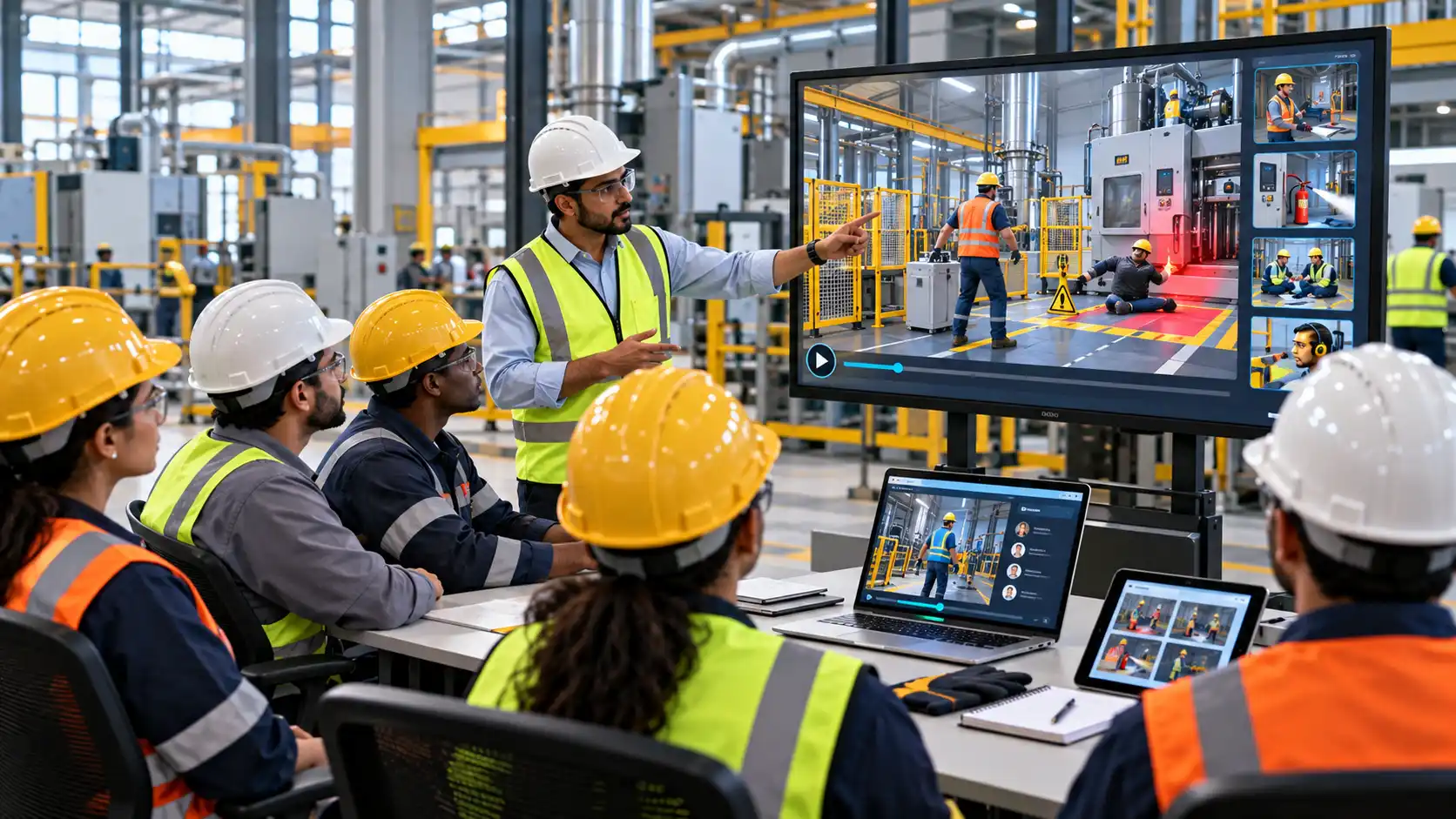
A strong vendor should be able to turn safety requirements into a clear training asset that workers actually remember. Sanskriti Infotech’s industrial safety content shows that this kind of specialization matters because safety videos often need site-specific accuracy, multilingual support, and formats that work for induction, SOPs, contractor training, and safety campaigns.
Why the vendor choice matters
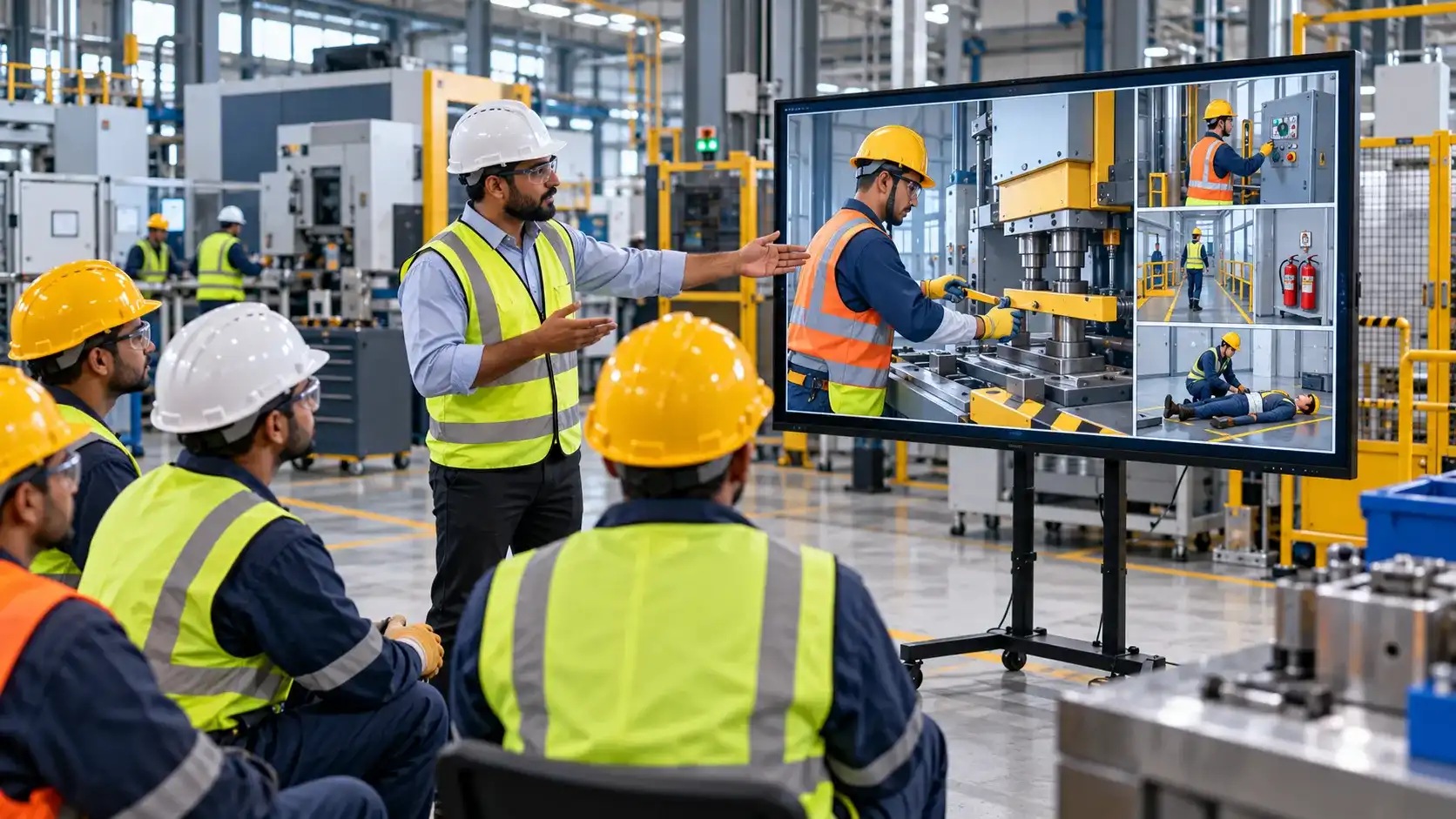
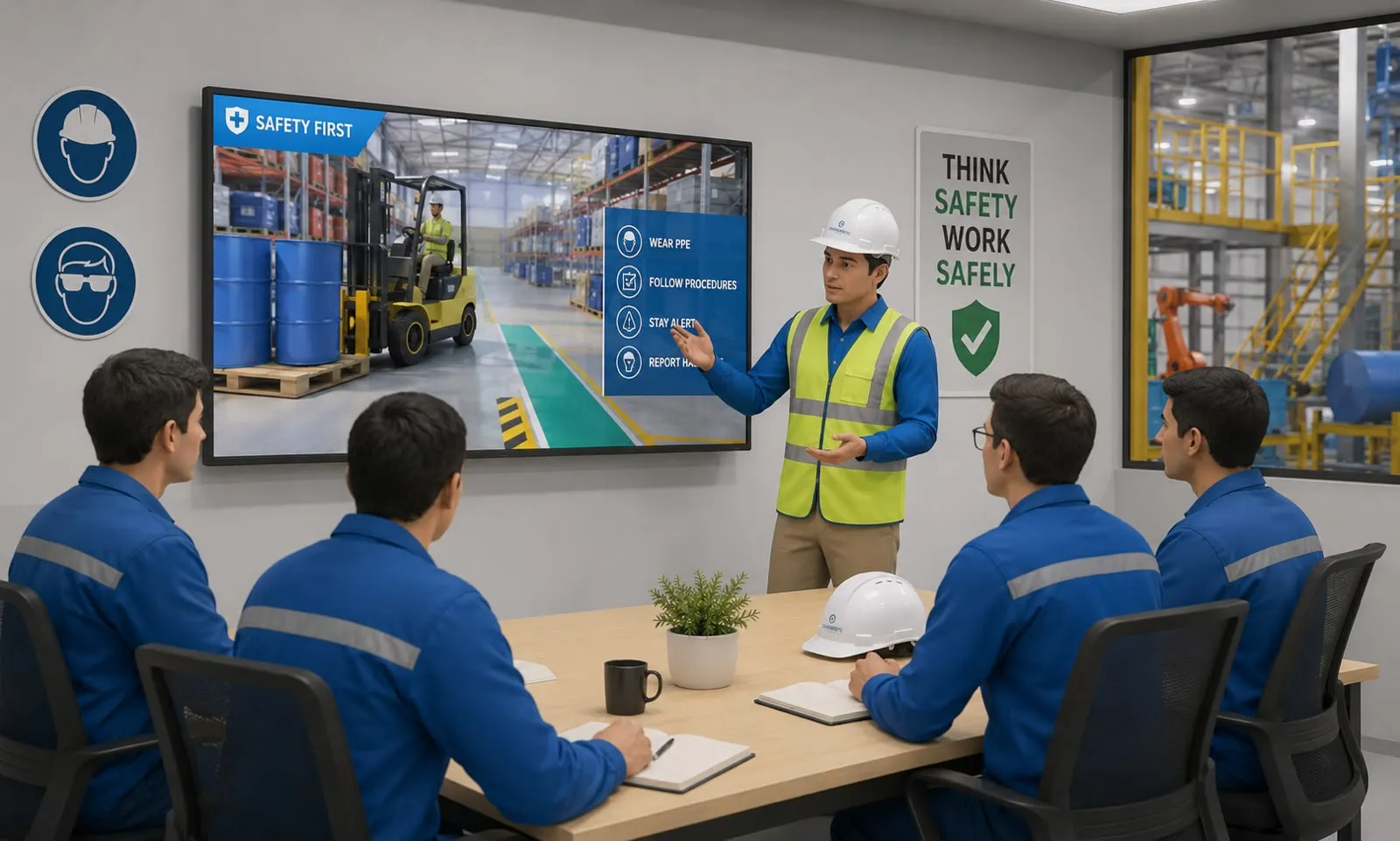
Safety videos are not ordinary marketing videos. They are training tools used to explain hazards, procedures, and expected behavior in real workplaces. If the vendor misunderstands the environment, the video may look polished but still fail to communicate the right message.
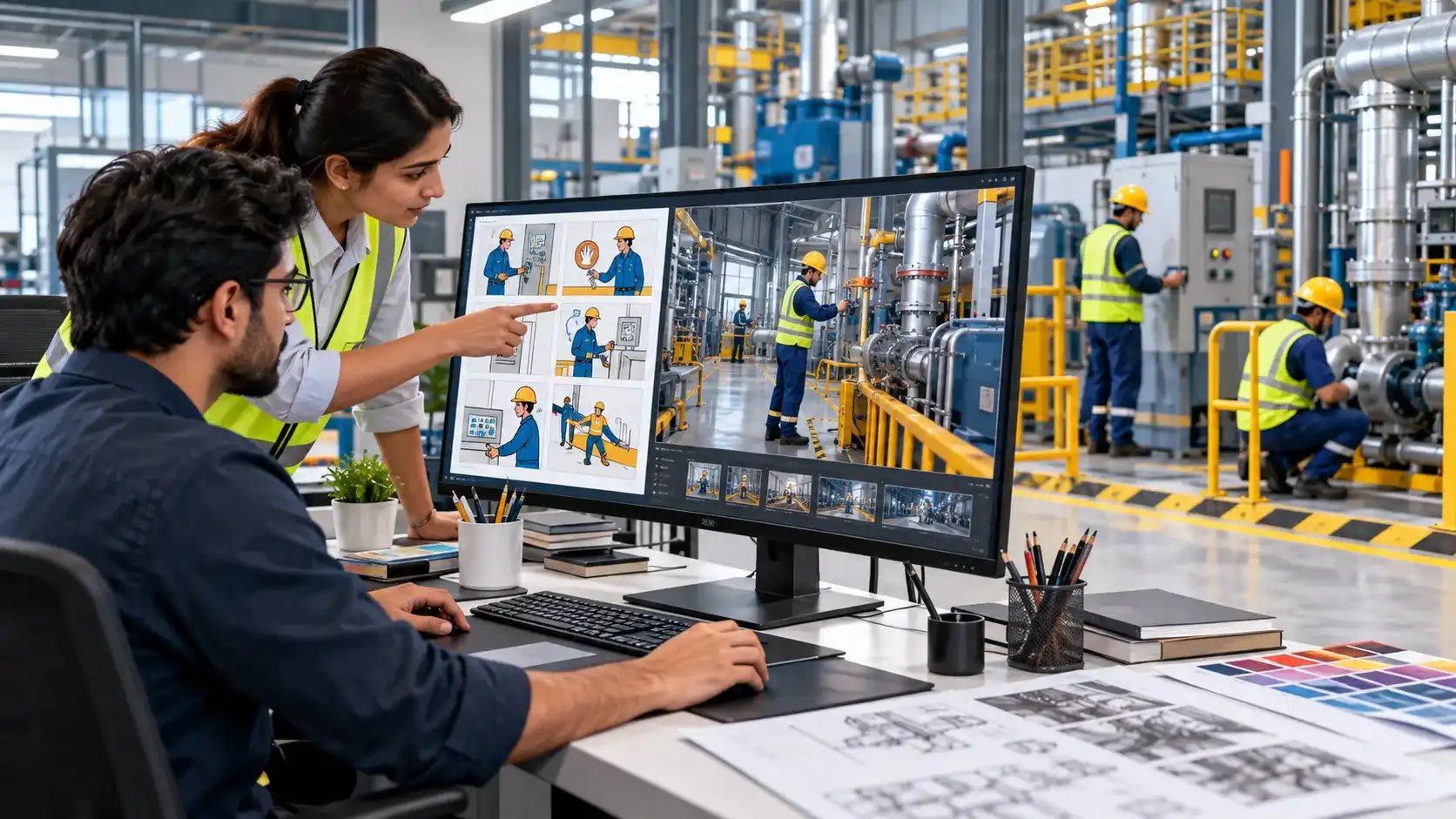
That is why outsourcing should be treated like a structured selection process. A good vendor should be able to handle script development, storyboard planning, production quality, revision management, and final delivery in a way that supports actual safety outcomes.
What to evaluate
When comparing safety video production companies, focus on these areas:
- Industry experience.
- Safety subject knowledge.
- Customization capability.
- Script and storyboard quality.
- Visual realism.
- Revision process.
- Delivery formats.
- Timeline reliability.
- Communication discipline.
- Rights and usage terms.
For industrial buyers, it is important to confirm whether the vendor can adapt content for manufacturing, oil and gas, power, utilities, construction, or other high-risk environments. Sanskriti Infotech’s published material shows this kind of industrial coverage across safety animation and training-focused content.
Evaluation checklist
Use this checklist when reviewing vendors:
- Industry experience: Work in industrial or safety training environments (Improves relevance)
- Safety understanding: Knowledge of hazards, SOPs, induction, and compliance (Reduces training errors)
- Customization: Ability to build site-specific or role-specific content (Improves usefulness)
- Script quality: Clear, concise, audience-friendly writing (Improves recall)
- Visual accuracy: Realistic equipment, workspaces, and actions (Builds trust)
- Revision process: Defined review rounds and approval flow (Prevents delays)
- Deliverables: Formats suitable for LMS, internal portals, or presentations (Makes deployment easier)
- Timeline: Clear milestones and realistic delivery date (Helps planning)
- Communication: Fast, clear, and structured coordination (Reduces friction)
- Licensing: Clear ownership and usage terms (Avoids future issues)
RFP questions to ask
A good RFP should help you compare vendors on the same basis. Ask each company:
- What industries do you specialize in?
- Can you create custom safety content for our site?
- What is your script and storyboard process?
- How many revision rounds are included?
- Do you offer voiceover and subtitles?
- Can you deliver files for LMS or internal platforms?
- What is the production timeline?
- What exactly is included in the quotation?
- Who owns the final files?
- What support do you provide after delivery?
These questions help you identify whether the vendor can support a real training need, not just produce a visually appealing video.
Outsourcing risks to avoid
When outsourcing safety video work, the lowest price is not always the best deal. A vendor may quote a low number but exclude key items such as revisions, voiceover, subtitles, or final file conversions. That can increase the actual cost later.
Another common risk is generic production. If the vendor does not understand industrial safety, the content may be too broad, too commercial, or too disconnected from the actual workplace. A reliable partner should be able to show that they understand how safety content works in real operations.
Red flags and green lights
- Vague portfolio vs Relevant safety examples
- No detailed scope vs Clear deliverables list
- Unclear revision policy vs Defined review rounds
- Generic messaging vs Safety-specific writing
- No usage terms vs Clear licensing and ownership
- Weak communication vs Fast and structured responses
- Unclear timeline vs Milestone-based schedule
A vendor with strong safety knowledge should be able to show a repeatable process, not just a one-off creative pitch.
Why Sanskriti Infotech fits
Sanskriti Infotech is relevant here because its published content focuses on industrial safety videos, 3D safety animation, machine guarding, manufacturing safety animation, oil and gas safety, and safety awareness campaigns.
That makes it a practical choice for companies that want a safety video production partner with industrial training experience. For outsourcing decisions, that specialization is valuable because it reduces the chance of getting generic content that misses the actual safety objective.
Ready to enhance workplace safety with engaging visuals? Contact us