Table of Contents
Introduction
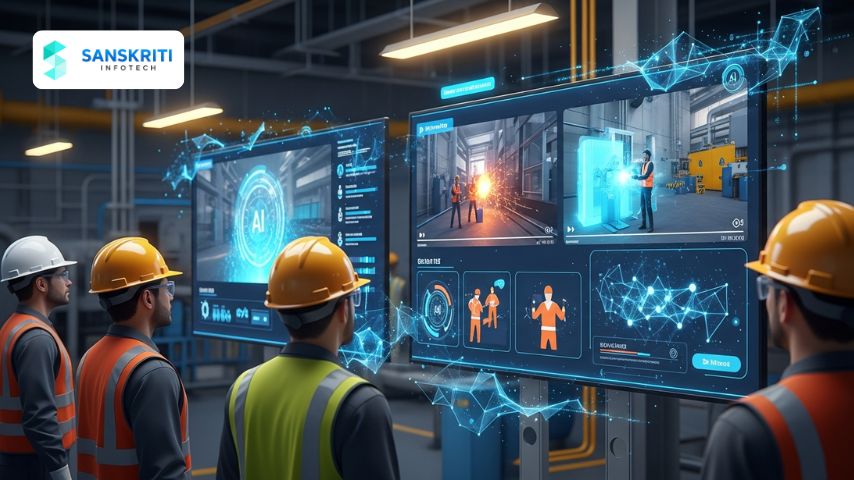
Animated hazard awareness videos are increasingly used by organizations worldwide to communicate workplace risks clearly, consistently, and effectively. As work environments become more complex and workforces more diverse, traditional safety briefings often fail to create lasting awareness of hazards.
This blog outlines globally relevant best practices for hazard awareness animations, helping organizations improve safety communication, reduce incidents, and strengthen safety culture without relying on country-specific regulations or training models.
Why Animated Hazard Awareness Videos Are Effective
Hazard awareness depends on visibility, clarity, and retention. Animated hazard awareness videos allow organizations to visualize risks that are otherwise invisible or difficult to demonstrate safely.
Key reasons organizations adopt animated hazard awareness videos include:
- Clear visualization of hazards and unsafe behaviors
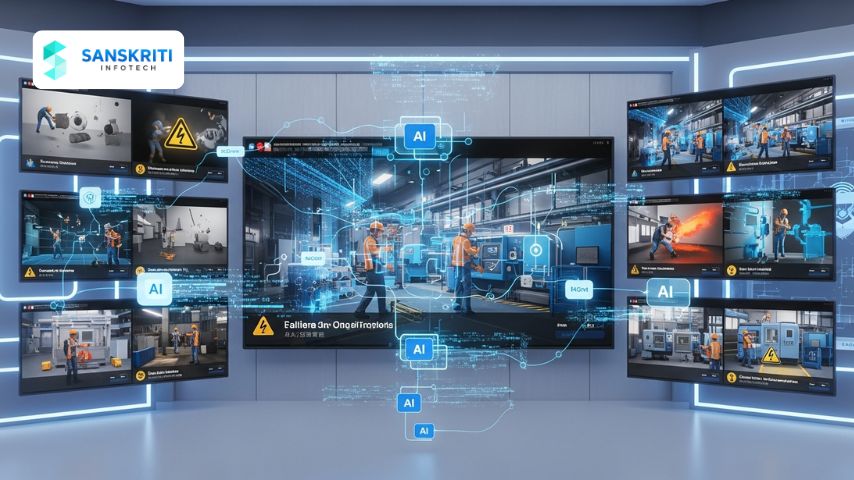
- Consistent messaging across sites and regions
- Improved engagement compared to text-based training
- Better understanding among multilingual workforces
- Safer demonstration of high-risk scenarios
Explore global workplace safety standards at the International Labour Organization (ILO).
Best Practices for Hazard Awareness Animations
Effective hazard awareness animations follow proven principles that balance realism, clarity, and instructional design.
Best practices include:
- Focus on one hazard category per animation
- Show cause, risk, and consequence clearly
- Use realistic environments and workflows
- Highlight correct and incorrect behaviors
- Keep animations concise and role-specific
- Reinforce key takeaways visually
Common Hazards Explained Through Animation
Animated hazard awareness videos are widely used to explain both routine and high-risk hazards.
Common hazard categories include:
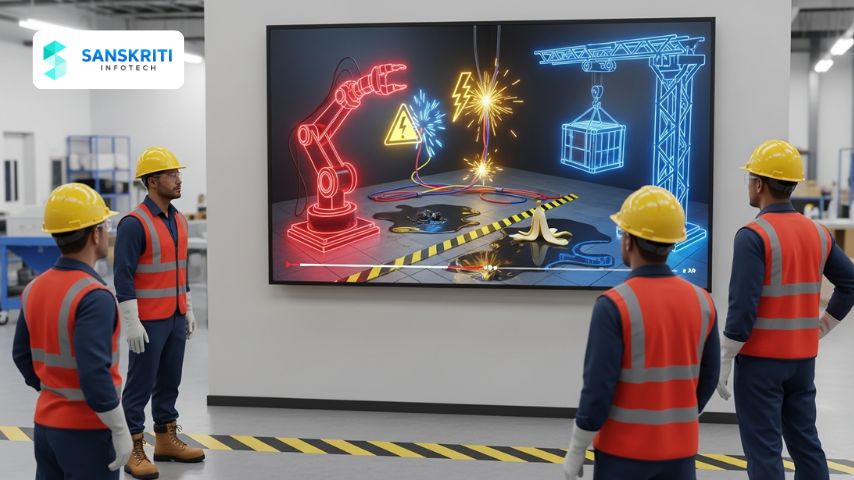
- Slips, trips, and falls
- Electrical and energy hazards
- Fire and explosion risks
- Chemical exposure and handling
- Machinery and moving equipment
- Confined space and work-at-height risks
Learn more about hazard communication standards at OSHA Hazard Communication.
Animated Hazard Awareness Videos vs Traditional Safety Content
Traditional safety posters, manuals, or lectures often lack engagement and practical clarity.
Hazard awareness animations offer advantages such as standardized delivery, better visual learning, and long-term reuse across training programs. Video statistics show significant engagement advantages at Wyzowl Video Marketing Statistics.
Global Industry Use Cases for Hazard Awareness Animations
Across industries and regions, animated hazard awareness videos are used in:
- Manufacturing and industrial operations
- Construction and infrastructure projects
- Energy, utilities, and process industries
- Logistics, warehousing, and transportation
- Healthcare and laboratory environments
- Corporate induction and contractor onboarding
Measuring ROI and Business Impact
The business impact of hazard awareness animations extends beyond compliance. Organizations typically experience reduced incident rates, improved audit outcomes, faster onboarding, and stronger safety culture.
When evaluated globally, animated hazard awareness videos often deliver a lower cost per trained employee compared to repeated instructor-led sessions. Workplace risk management insights available at Forbes Business Council.
Choosing the Right Partner for Hazard Awareness Animation
The effectiveness of hazard awareness animation depends heavily on the partner’s understanding of risk communication, industry context, and instructional design.
Global solution partners such as Sanskriti Infotech support organizations by translating real workplace hazards into clear, scalable, and reusable animated safety content—without relying on generic templates. Our 3D design modeling services ensure precise visualization for complex industrial environments.
Ready to enhance your hazard awareness training with professional animation? Contact us to discuss custom solutions for your organization.