Table of Contents
Introduction
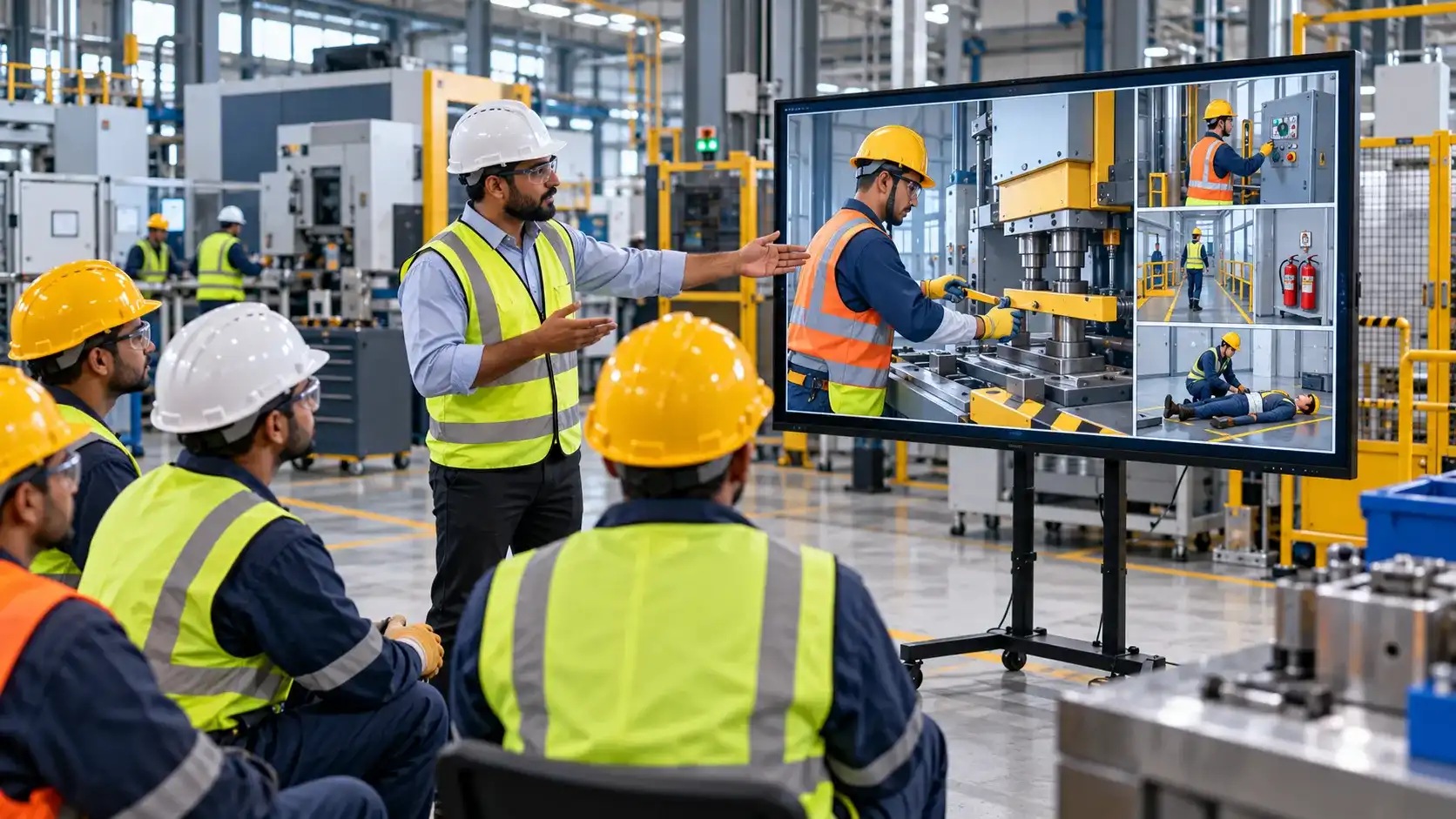
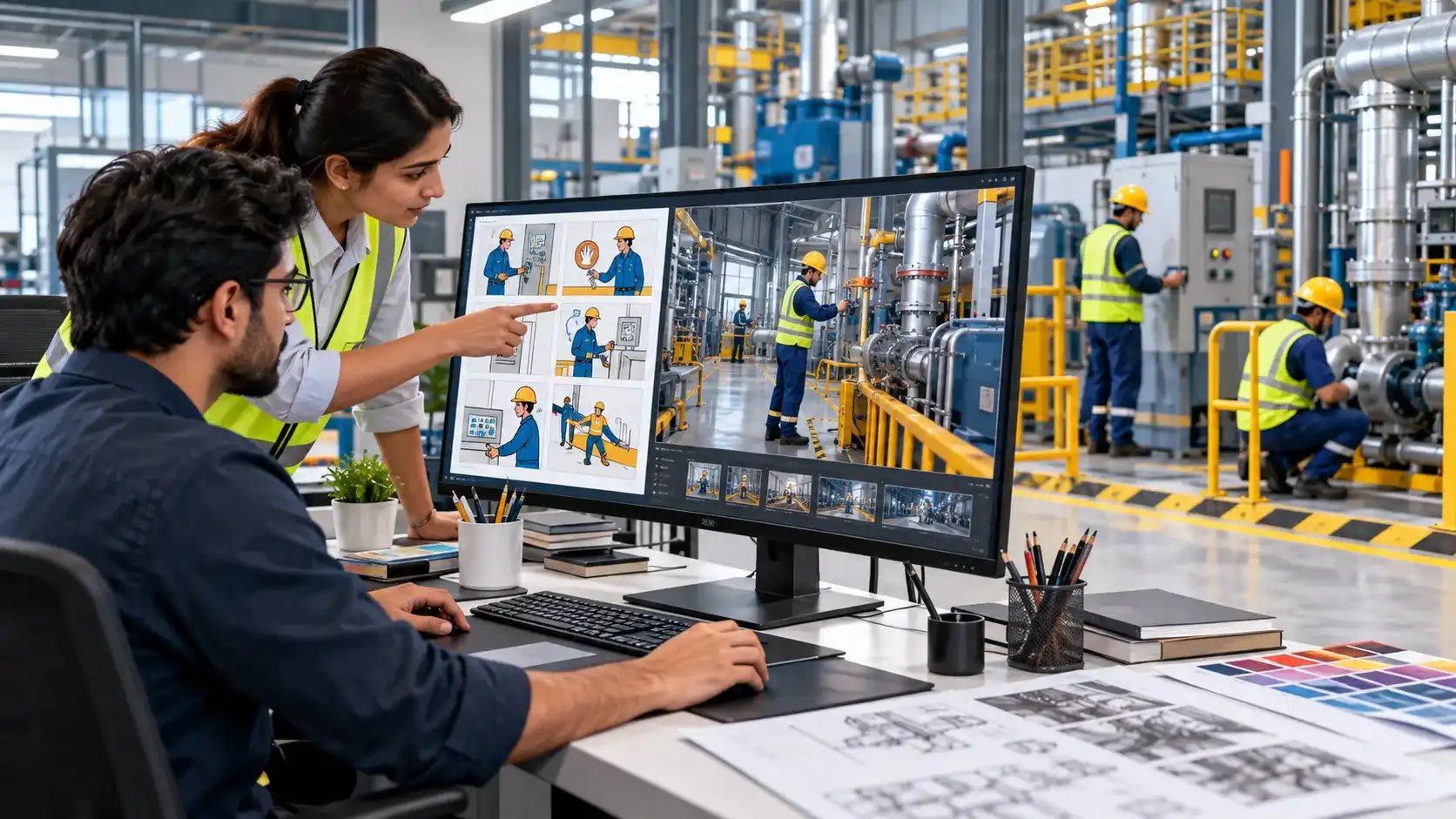
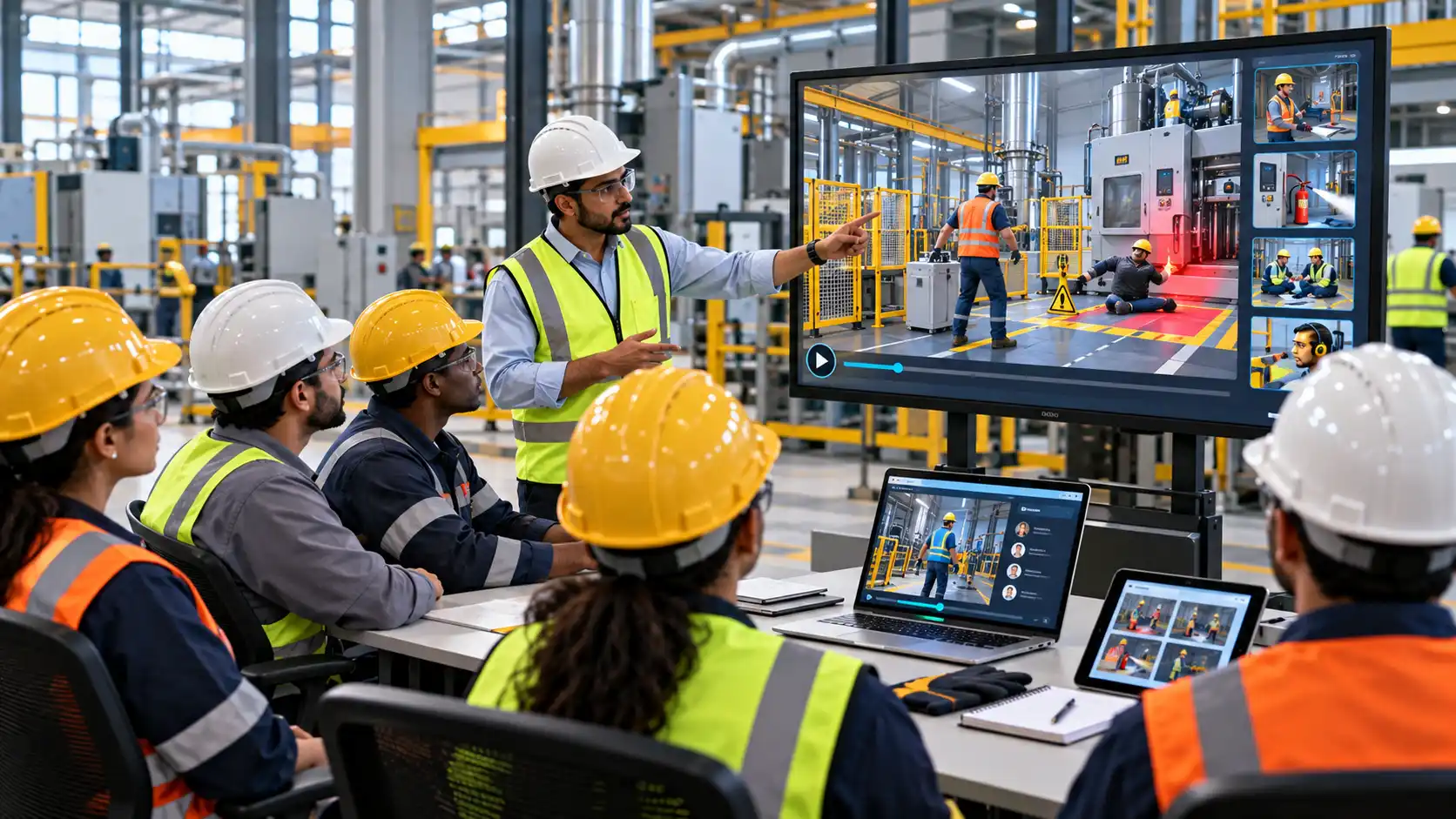
3D safety videos help manufacturing companies explain hazards, procedures, and safe behavior in a way workers can actually understand and remember. In a fast-moving plant environment, that makes them one of the most effective tools for safety awareness video communication and workforce training.
Manufacturing sites deal with machines, moving parts, forklifts, chemicals, confined areas, and repeated operations. A 3D safety video turns those risks into clear visuals, which improves understanding, consistency, and training impact across shifts and locations.
Why Manufacturing Needs Better Safety Communication
Manufacturing companies cannot rely only on manuals, posters, or verbal briefings to keep workers safe. These methods may explain the rule, but they do not always show the risk clearly enough.
A 3D safety video helps by showing the hazard, the wrong action, the safe action, and the likely result. That visual approach is especially useful in plants where many workers have different language backgrounds or different levels of experience.
What 3D Safety Videos Can Cover
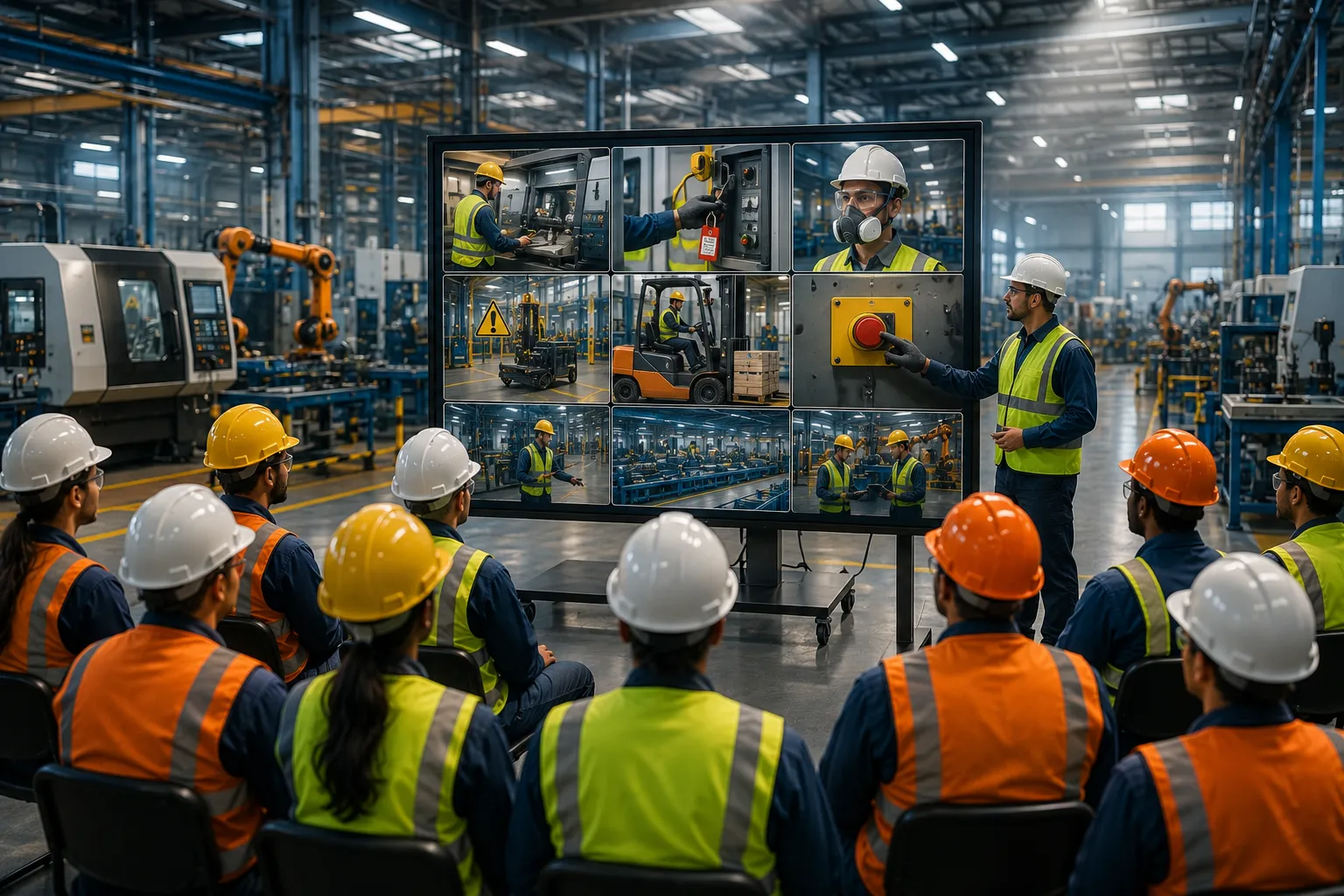
A manufacturing company can use 3D safety videos for many critical topics.
Typical use cases include:
- Machine operation safety.
- Machine guarding awareness.
- Lockout and tagout.
- Forklift and vehicle movement.
- PPE awareness.
- Fire and emergency response.
- Chemical handling.
- Housekeeping and slip prevention.
- Contractor induction.
- Safety awareness campaigns.
- SOP training.
- Incident learning.
For a safety awareness video, the main advantage is clarity. One visual format can communicate the same rule to new employees, contractors, and existing workers.
Why 3D Works Better Than Traditional Training
Traditional safety training often depends on classroom sessions, slides, or printed SOPs. Those tools are useful, but they can be hard to remember when workers return to the shop floor.
3D animation makes the content more memorable because it shows the workplace situation in motion. Workers can see how an unsafe act leads to a risk and how the correct action changes the outcome. That makes the message easier to retain and apply.
Benefits for Manufacturing Companies
3D safety videos give manufacturing companies several practical benefits:
- Better understanding of hazards.
- Better retention of key safety rules.
- More consistent training across shifts.
- Easier onboarding for new workers.
- Stronger multilingual support.
- Better support for digital training systems.
- Reusable content for long-term use.
They also help safety teams save time because the same video can be used repeatedly for induction, refresher training, and awareness campaigns.
Why Sanskriti Infotech Fits This Need
Sanskriti Infotech is a strong fit for this topic because it focuses on industrial safety communication, 3D safety animation, workplace safety videos, and manufacturing-related training content. That makes it a suitable partner for companies that want a safety awareness video built for real plant conditions.
For manufacturing companies, the goal is not just to create a video. The goal is to create a training asset that improves behavior, supports compliance, and helps reduce risk on the shop floor.
Comparison Table
| Area | Traditional Training | 3D Safety Videos |
|---|---|---|
| Understanding | Moderate | Strong |
| Engagement | Variable | High |
| Consistency | Depends on trainer | Standardized |
| Reuse | Limited | High |
| Multilingual support | Harder | Easier |
| Suitability for complex hazards | Moderate | Strong |
For manufacturing plants, that difference can be the reason safety messages are remembered instead of forgotten.
Ready to enhance workplace safety with engaging visuals? Contact us