Table of Contents
Introduction
Gas leak safety animation has become a critical training solution for industries where hazardous gases are present and emergency response time can mean the difference between life and death. From chemical plants and refineries to power facilities and manufacturing units, gas leak incidents continue to be one of the most dangerous industrial hazards worldwide. Traditional safety training methods often fail to prepare workers for the panic, confusion, and rapid decision-making required during a real gas leak emergency.
This is where animated safety videos transform the way organizations prepare their workforce. By visually simulating real-world gas leak scenarios, safety animation enables employees, contractors, and visitors to understand risks clearly, remember procedures longer, and respond correctly when an actual emergency occurs.
Understanding Gas Leak Emergencies in Industrial Environments
Gas leaks can occur due to equipment failure, corrosion, improper maintenance, human error, or uncontrolled chemical reactions. In many industrial environments, gases are colorless, odorless, or highly toxic, making detection difficult without proper systems and training. For global guidance on chemical safety at work, refer to the International Labour Organization (ILO) chemical safety resources.
Industries most vulnerable to gas leak incidents include:
- Oil and gas refineries
- Chemical and petrochemical plants
- Fertilizer and pharmaceutical units
- Power generation facilities
- LNG, CNG, and gas distribution plants
Without proper emergency preparedness, gas leaks can lead to explosions, fires, mass evacuations, long-term health damage, and regulatory shutdowns.
Why Traditional Gas Leak Training Often Falls Short
Many organizations still rely on classroom presentations, printed SOPs, or occasional mock drills for gas leak training. While these methods may fulfill compliance requirements, they rarely build real-world readiness.
Common limitations of traditional training include:
- Lack of visual clarity on how gas spreads and impacts the environment
- Poor retention of emergency steps under stress
- Inability to safely recreate high-risk scenarios
- Limited engagement, especially for contract workers and new joiners
During an actual gas leak, employees do not recall text-heavy manuals. They recall visual memory, practiced responses, and instinctive actions. For regulatory expectations on hazard communication and emergency response, see OSHA’s HAZWOPER standard.
How Gas Leak Safety Animation Improves Emergency Preparedness
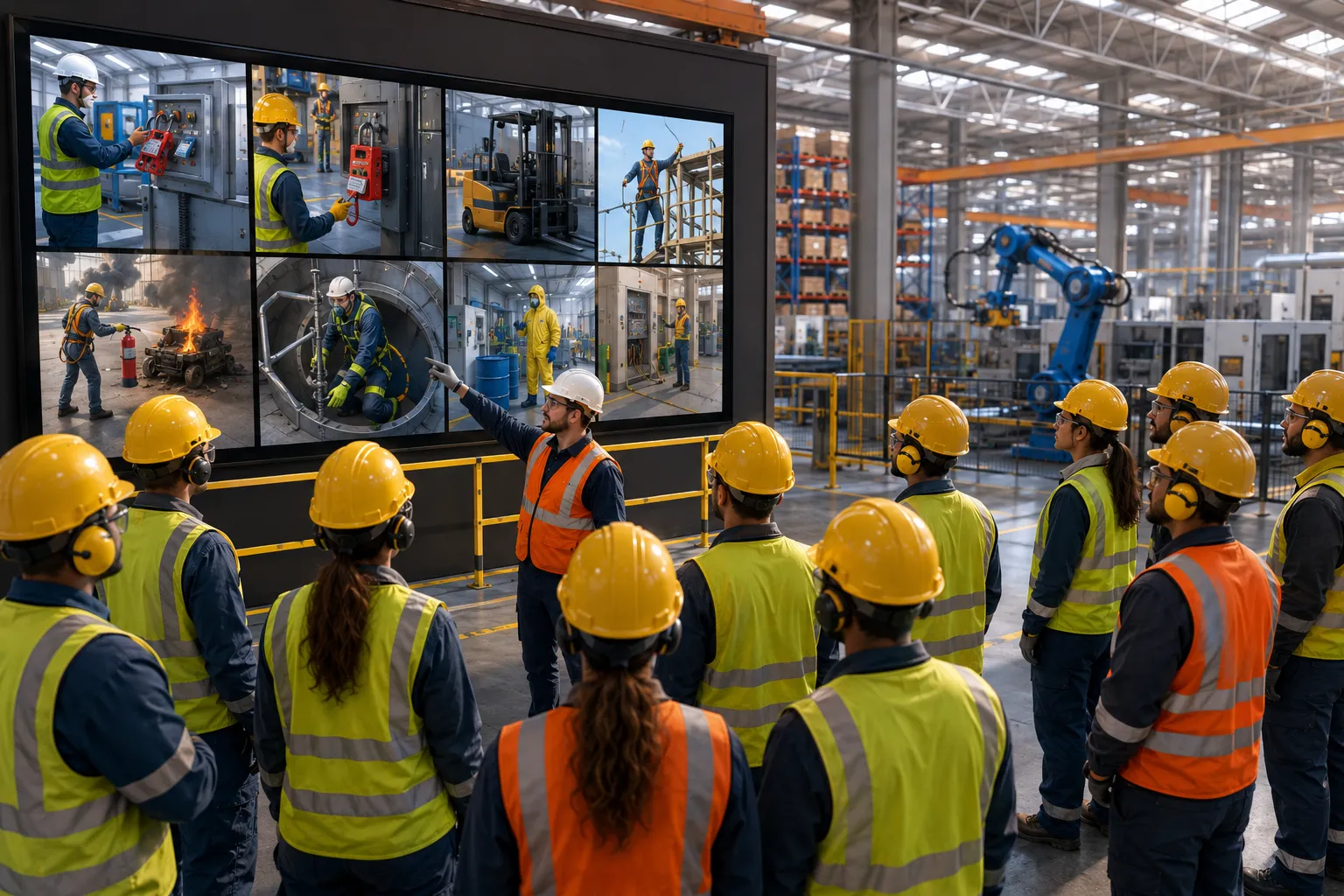
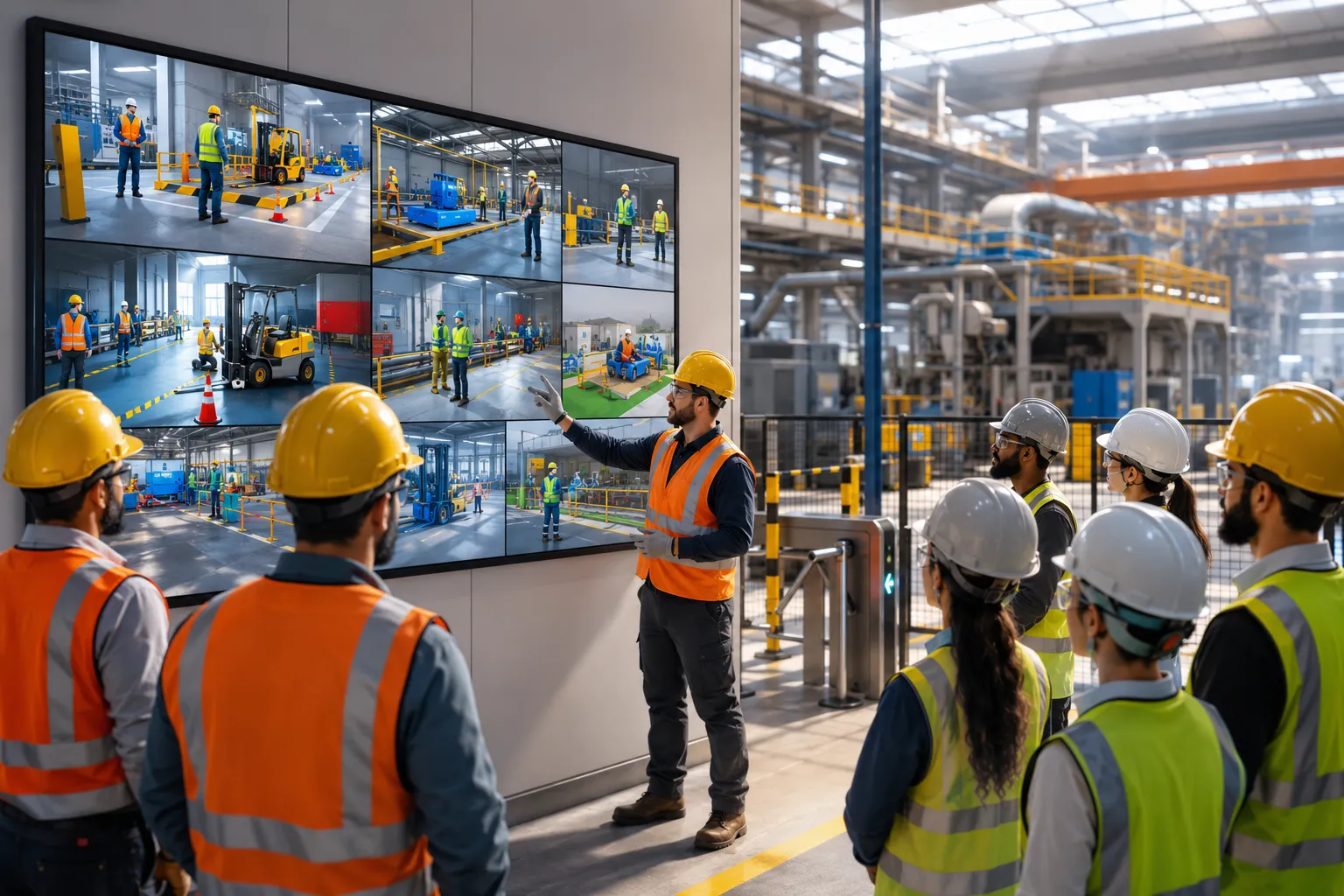
Gas leak safety animation bridges the gap between theory and real-life emergencies. Animated videos recreate hazardous scenarios without exposing trainees to actual danger, allowing them to experience, understand, and remember correct actions.
Key advantages of using animation for gas leak training include:
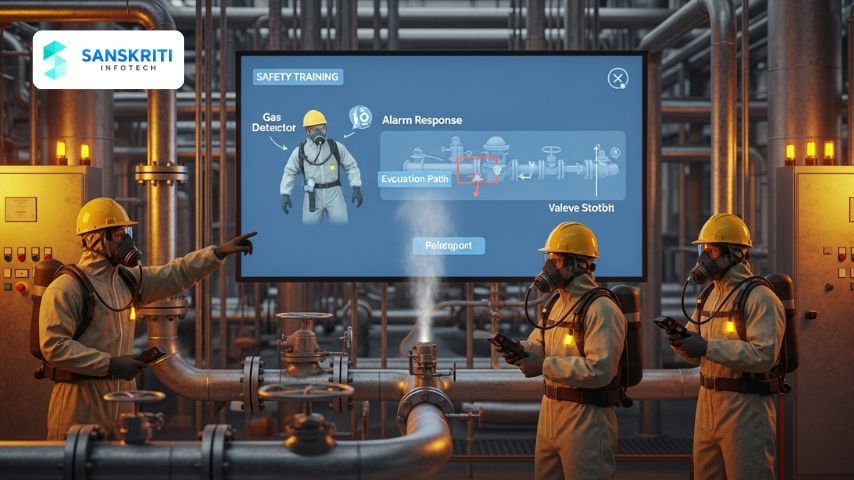
- Visual representation of gas dispersion and danger zones
- Clear demonstration of alarm systems and detection methods
- Step-by-step evacuation procedures
- Correct use of PPE and emergency equipment
- Role-based response for operators, supervisors, and emergency teams
Because animation simplifies complex processes, workers gain confidence in responding quickly and correctly. For additional perspectives on chemical exposure and emergency preparedness, consult the World Health Organization’s guidance on chemical emergencies.
Critical Scenarios Covered in Gas Leak Safety Animation
A well-designed gas leak safety animation typically includes multiple realistic scenarios such as:
- Gas detection and alarm activation response
- Immediate actions to take when a leak is suspected
- Safe evacuation routes and assembly points
- Confined space hazards and restricted areas
- Emergency shutdown procedures
- Coordination with rescue and first aid teams
These scenario-based visuals help trainees mentally rehearse emergency actions before they ever face a real incident.
Industries That Benefit Most from Gas Leak Safety Animation
Gas leak safety animation is especially valuable for industries with high-risk operations and large workforces.
Major beneficiary industries include:
- Oil and gas exploration and refining
- Chemical manufacturing
- Fertilizer production plants
- Power and energy sector
- Heavy manufacturing and processing units
For organizations with frequent contractor onboarding and multilingual teams, animated training ensures consistent safety messaging across all locations.
Real-World Impact: Sanskriti Infotech Case Example
Sanskriti Infotech has helped industrial clients enhance gas leak preparedness through customized safety animation programs. In one industrial facility, the implementation of a gas leak safety animation resulted in faster evacuation response during mock drills, improved hazard recognition among contract workers, and stronger audit readiness during safety inspections.
The organization reported higher training engagement and better recall of emergency procedures compared to previous classroom-only training, reinforcing the value of visual and scenario-based learning.
Why Choose Sanskriti Infotech for Gas Leak Safety Animation
Sanskriti Infotech specializes in industrial-grade 3D safety animation designed specifically for high-risk environments. Our capabilities are widely used in sectors like oil & gas, chemical, and power and utilities.
Key strengths include:
- Realistic 3D visualization aligned with plant layouts
- SOP-based and site-specific scenario development
- Multi-language and subtitle support
- Modular videos for induction, refresher, and audit training
- Scalable deployment across multiple facilities
Our animations are built not just to inform, but to prepare people for real emergencies, supporting broader 3D safety initiatives such as 3D animated safety training across industries.
The Future of Gas Leak Training: Animation and Immersive Learning
As industries move toward digital safety transformation, gas leak training is evolving beyond static content. Animation combined with immersive technologies like VR enables deeper learning, realistic practice, and higher confidence among workers.
Organizations that adopt visual and immersive safety training today are better equipped to prevent incidents, protect lives, and meet regulatory expectations tomorrow. For additional process safety best practices, explore the resources from the Center for Chemical Process Safety (CCPS – AIChE).
Ready to strengthen your gas leak emergency readiness with visual training? Contact Sanskriti Infotech to develop customized gas leak safety animations for your facilities.